
Prepping at a glance
- Basic training supports everyday response and early emergency contact.
- Remote courses address delayed professional help and outdoor conditions.
- Check prerequisites and practical requirements before enrolling.
Compare the setting rather than the label
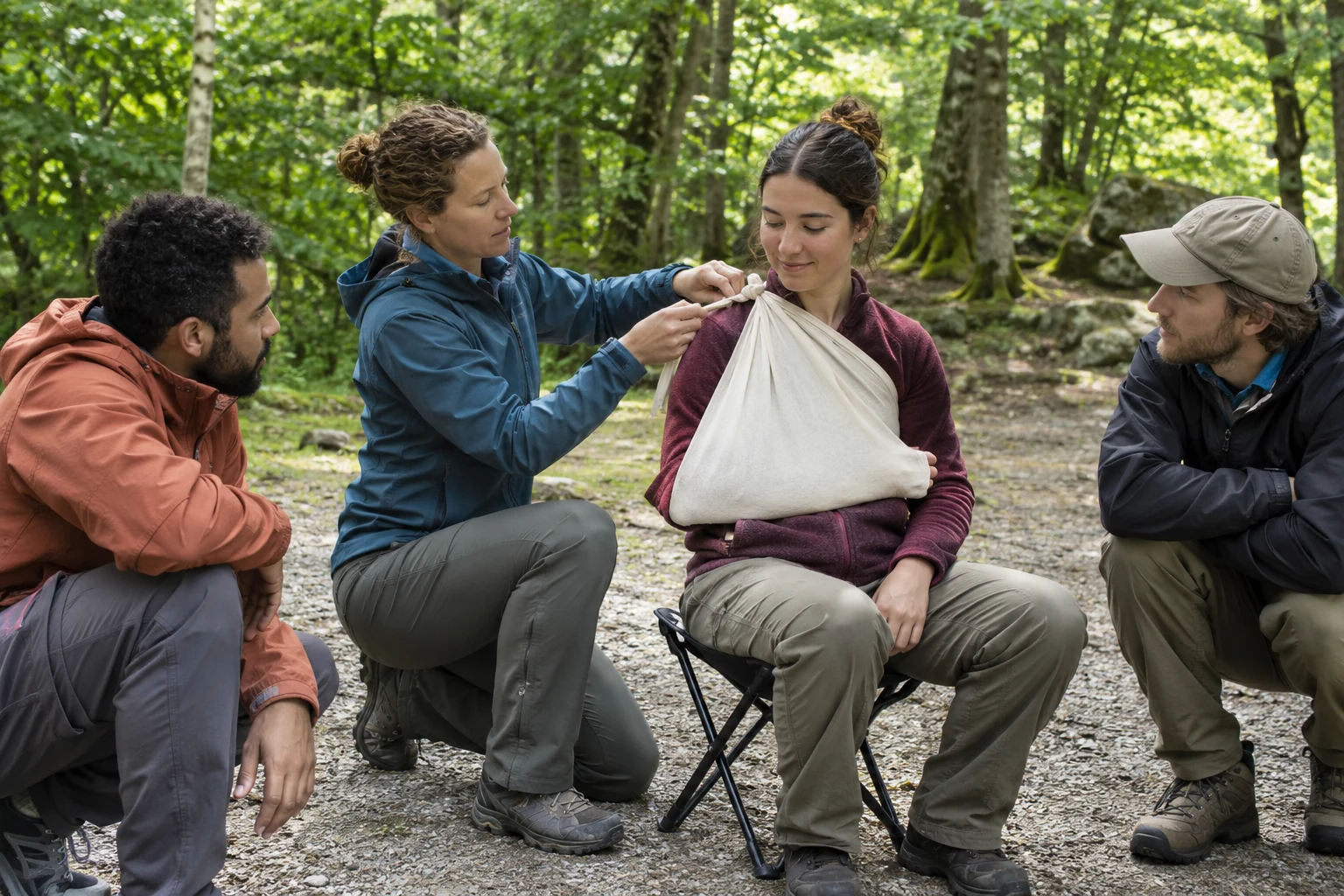
Wilderness first aid vs first aid is primarily a question about where help may be needed and how quickly professionals can reach you. Basic first aid courses support common emergencies in everyday settings. Wilderness training adds attention to remote conditions, longer waits, environmental exposure, and decisions that arise when a quick handoff may not be possible.
Do not treat wilderness certification as a license to perform advanced medical procedures. The useful difference is a broader planning and assessment context within the course’s scope. Someone caring for children at home may need pediatric content first, while a group leader taking people far from roads may have a stronger reason to add remote-environment training.
Read the syllabus and prerequisites
A remote first aid course should describe what participants practice, how long training lasts, and what background is expected. The American Red Cross wilderness course page lists topics including assessment, environmental illness, wounds, and injuries, along with current prerequisites. Verify the requirements for the specific class you intend to attend because providers and course levels differ.
Ask whether practical scenarios occur outdoors, how physically demanding they are, and what accessibility accommodations are possible. Confirm whether current CPR certification is required and whether it must cover a particular population. Do not arrive assuming that a remote course automatically includes every certification you need for work, volunteering, or an organized trip.
Match practice to your real activities
First aid course selection becomes easier when you describe a likely situation. A day hiker near reliable access, a canoe group on a remote route, and a family caring for an infant have different training priorities. Write down the setting, people involved, communication limits, and expected access to professional help before comparing course descriptions.
Choose instruction that includes meaningful practice and feedback. Ask how learners work through assessment, communication, and deciding when to seek help. A course should help you recognize limits as well as build confidence. Avoid buying specialist supplies first and then searching for a class that justifies them; let appropriate instruction inform the kit you will actually carry.
Connect training to a trip or household plan
After class, update the practical arrangements around the skills: emergency contacts, location information, communication devices, group roles, and a suitable first aid kit. Keep the provider’s reference materials available. Rehearse simple logistics, such as describing your location or finding supplies, without simulating risky medical procedures on friends.
Maintain skills according to the training provider’s guidance and review them before a demanding activity. A certificate does not remove the need for conservative trip decisions, appropriate equipment, or professional care. If conditions exceed your abilities, changing or canceling the activity may be the best preparation. Choose the course that improves the decisions you are likely to face rather than the title that sounds most advanced.
