
Prepping at a glance
- Notice conditions and exits without profiling people.
- Use clear check-in and meeting arrangements.
- Choose distance and help rather than confrontation.
Pay attention to the environment you are in
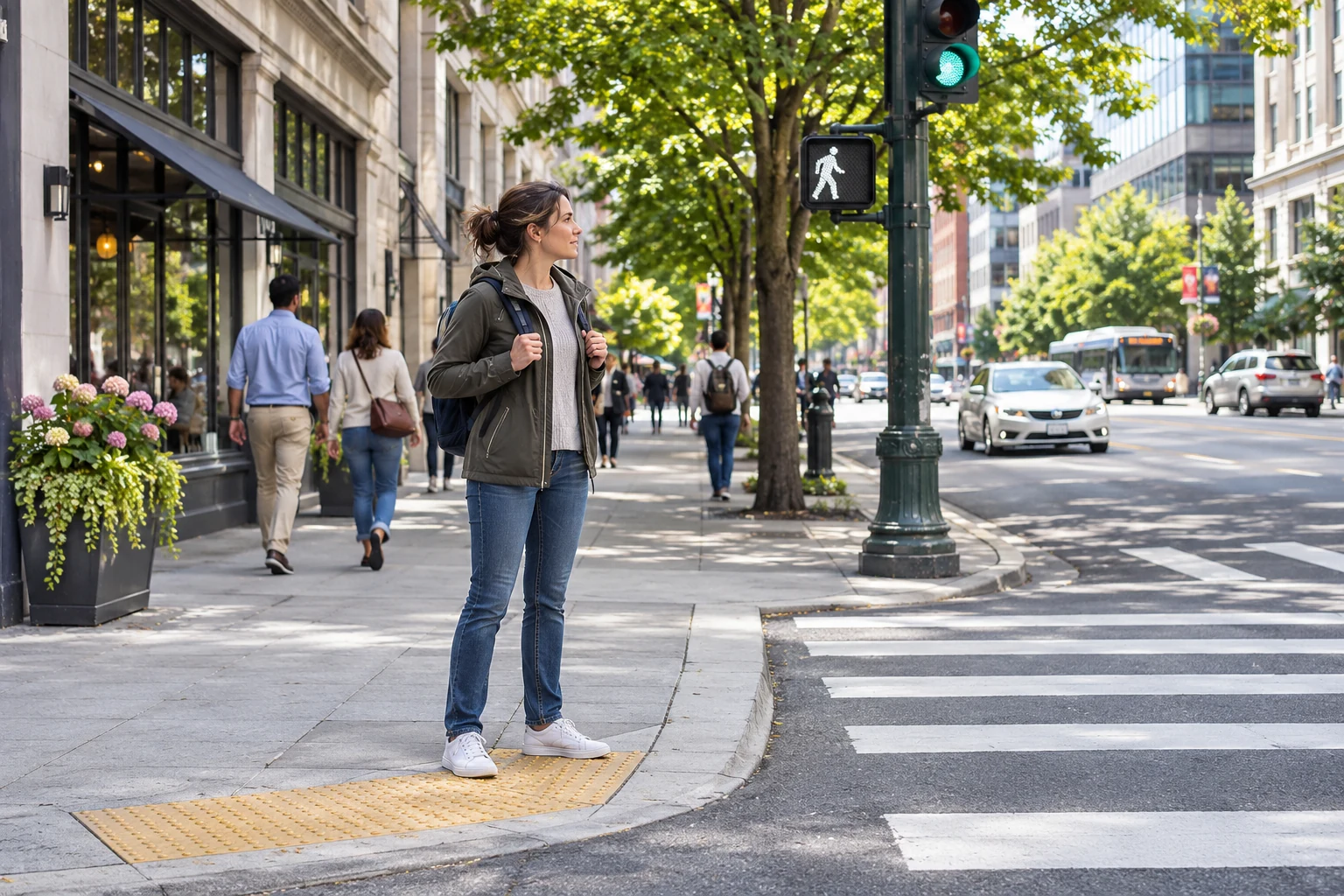
Situational awareness for beginners can be a quiet habit. When entering an unfamiliar place, notice ordinary exits, staff locations and obvious obstacles. During travel, check weather and transport changes. On foot, put the phone away when crossing traffic or navigating an uneven area. These observations support normal decisions without requiring constant surveillance.
Focus on specific conditions and behavior rather than appearance, clothing, identity or stereotypes. A blocked exit is actionable information; a vague judgment that someone looks different is not. If nothing requires action, return attention to the activity you came to do. Awareness should help you function, not consume every moment.
Create simple choices in advance
Everyday safety habits are easier when the next step is already available. Know how to ask staff for help, where to wait if transportation is delayed and which trusted person can be contacted. If a situation becomes uncomfortable or disorderly, increasing distance and leaving when safe may be more useful than investigating or confronting someone.
For family outings, choose a recognizable meeting place and explain it in language everyone understands. Massachusetts emergency management: family emergency plans supports emergency contacts, meeting arrangements and practice. Adjust the plan for children, disabilities and anyone who may need assistance. Do not assume everyone can hear an announcement, read a small sign or navigate the same route independently.
Use check-ins that reduce uncertainty
A personal safety check in plan should be simple enough to follow. Agree on an expected arrival or return, how changes will be communicated and what to do if contact is missed. A concise message with location, status and next step is often more useful than a series of unclear updates.
Keep essential contact information available outside a single phone. Respect privacy when sharing locations and choose arrangements appropriate to the relationship and trip. Avoid turning ordinary delays into automatic emergencies; define reasonable steps for checking in and seeking help. For a genuine immediate threat or injury, contact emergency services and follow their instructions rather than relying only on a routine family message.
Practice noticing without escalating anxiety
Choose one small habit for a week, such as checking the weather before a drive or identifying the normal exit when arriving at a venue. Review whether it led to a useful action. If a habit encourages endless scanning, alarming speculation or avoidance of ordinary activities, simplify it and seek support if distress persists.
Discuss real events in concrete terms: the parking area was closed, the group moved to the agreed meeting point, or the phone battery was low and a paper number helped. Avoid collecting frightening stories as a substitute for practice. The useful result is a calmer set of options when conditions change. Preparedness works best when it supports ordinary life, relationships and sensible judgment rather than making every unfamiliar situation feel dangerous.
