
Prepping at a glance
- Plan around actual abilities and needs.
- Confirm backup help instead of assuming it.
- Review medical equipment needs with providers.
Let your needs define the plan
Prepping for seniors is sometimes presented as a special shopping list, but age alone does not describe a person's capabilities. Start with the routines, equipment, and assistance you actually use. Someone over fifty who lives alone may have very different priorities from a household providing daily care.
Emergency preparedness for older adults should preserve independence and choice. Ask the person whose needs are being discussed to lead the decisions whenever possible. Use the FEMA older-adult preparedness guide as a conversation framework, then adapt the plan to the home and support available.
Make essential items easier to use
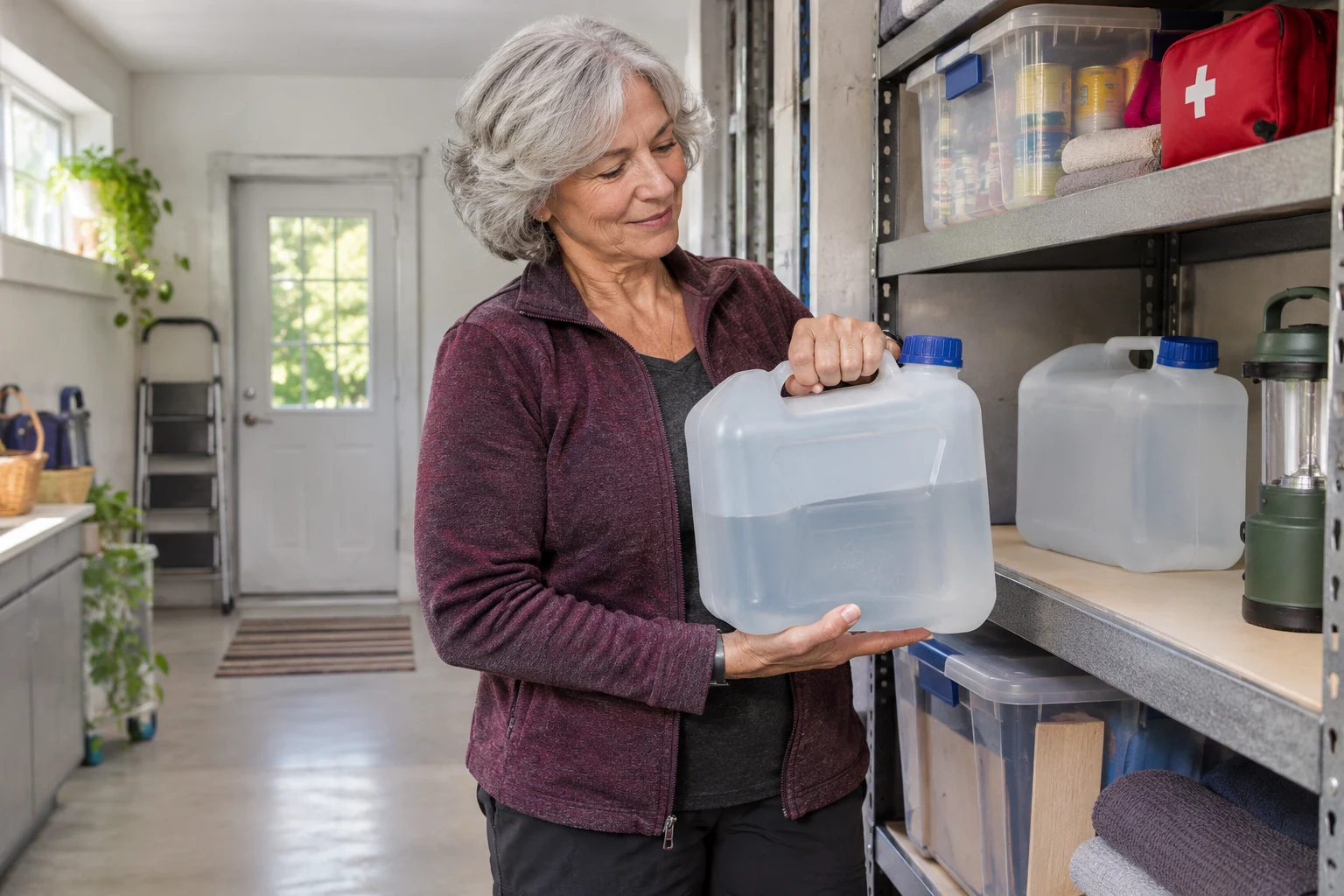
Try opening the containers, reading the labels, and carrying the supplies you plan to rely on. A heavy water container or tiny radio control may be awkward even when the item technically works. Select storage locations that do not require risky climbing, bending, or moving bulky objects.
Consider lighting along normal walking routes and how important instructions will be read. Larger print, clear labels, and familiar organization can reduce unnecessary effort. Keep exits clear and preserve access for mobility aids. Ask before rearranging someone else's supplies; an unfamiliar system can make essentials harder to find.
Build a support network with specifics
List people who have agreed to help and the tasks each can actually perform. One person might check in, another provide transport, and another help contact a service provider. Confirm availability and choose alternatives for times when the primary helper is at work or affected by the same event.
Discuss access arrangements carefully and protect private information. A trusted helper may need to know where the plan is kept without receiving every financial or medical document. Decide how missed check-ins will be handled, and avoid making a single unanswered message the only trigger for assistance.
Coordinate health and equipment needs
A medical emergency plan should list relevant contacts, current treatment information, and the arrangements agreed with clinicians, pharmacists, or equipment providers. Ask about medication access and storage, powered devices, and what to do if regular services are interrupted. Do not improvise dosage changes or assume a consumer battery will support essential equipment.
Write down the provider's instructions in a form another authorized helper can understand. Include any maintenance, charging, or transport requirements for approved equipment. If the plan depends on a service program, confirm eligibility and limitations directly; registration does not necessarily guarantee uninterrupted service or immediate assistance.
Rehearse without exhausting anyone
Choose a short walkthrough at a convenient time. Locate contacts, open the portable bag, and talk through transport. Keep essential equipment operating and allow rest as needed. The purpose is to discover friction, not to prove endurance or recreate dangerous conditions.
Afterward, choose one change that makes daily life easier as well as improving readiness. A clearer label, smaller container, or confirmed backup driver may be enough. Review the plan after health, mobility, medication, or living arrangements change so it remains useful to the person who depends on it.
