
Prepping at a glance
- Test before adding lime or fertilizer by guesswork.
- Distinguish nutrient issues from drainage and compaction.
- Measure changes and keep records between tests.
Identify the problem you want to solve
To improve garden soil on a budget, begin with a description more specific than poor soil. Does water stand after rain? Is the surface compacted? Are plants struggling in one section or throughout the bed? Have previous additions failed to produce a visible improvement? Write down observations before shopping for another amendment.
A soil product cannot solve every site problem. Limited sunlight, inappropriate planting dates, root competition, or inconsistent watering may look like a soil issue to a new gardener. Photograph the bed, note where symptoms occur, and seek help identifying the cause when it is unclear. Better diagnosis can save more than buying a cheaper bag of the wrong material.
Use a garden soil test correctly
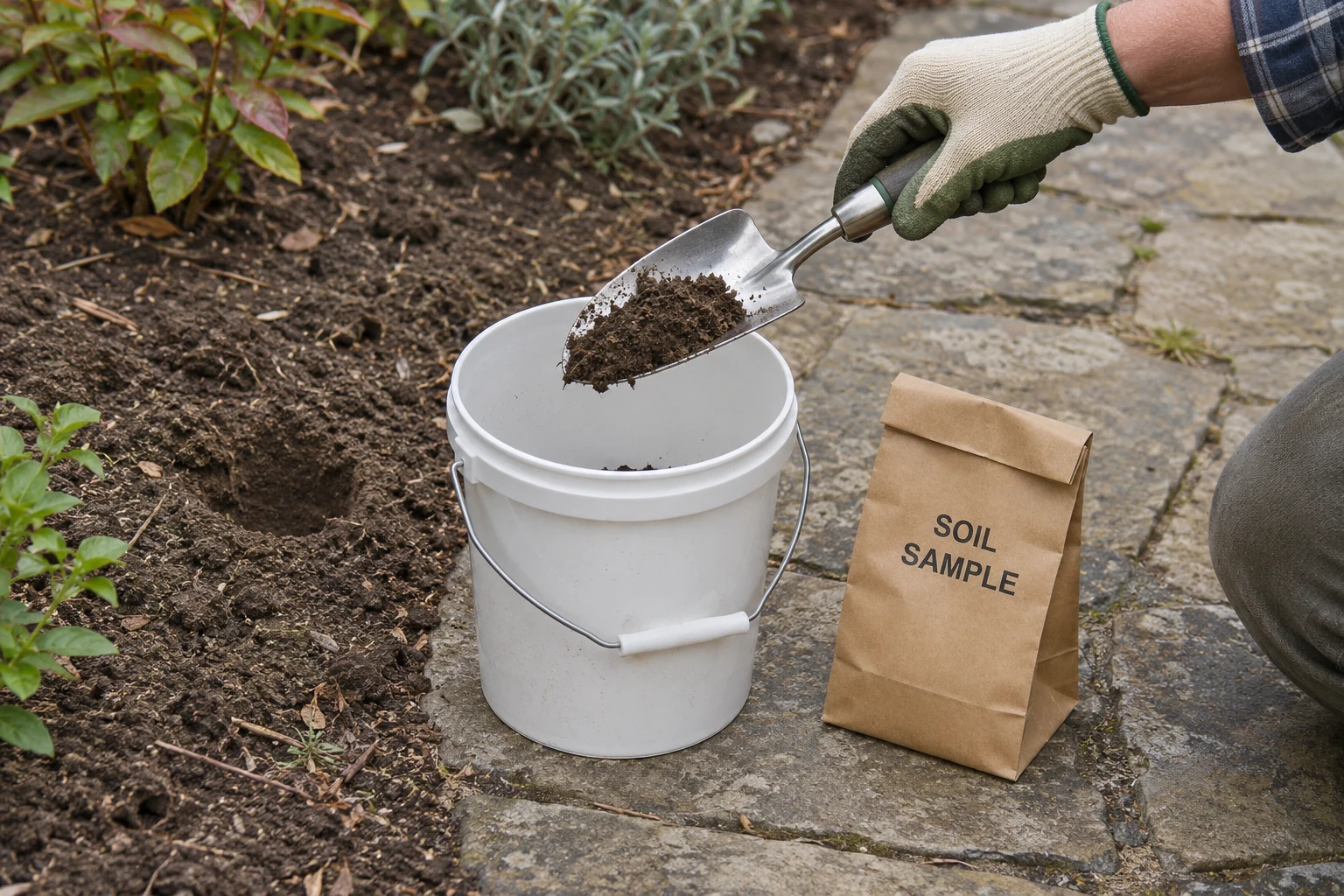
The University of Minnesota Extension soil-testing guide explains sampling and the role of test recommendations. Use a suitable local laboratory and follow its sampling instructions. Tell the lab what you intend to grow so the recommendations match the planned use.
A routine fertility test is not automatically a contamination test. If the site's history raises concerns about lead or other contaminants, ask which additional testing and interpretation are appropriate before growing food there. Keep different problem areas separate when instructed, rather than mixing them into one sample that hides important differences.
Buy soil amendments for vegetables by recommendation
Read the report before purchasing lime, fertilizer, or other amendments. Match the recommended material and amount to the actual bed area. If a recommendation is confusing, ask the laboratory or extension office to explain it rather than converting units by guesswork. More is not automatically better, and some amendments can create new problems when applied unnecessarily.
Include physical management in the plan. Defined paths can reduce repeated foot traffic on growing soil. Suitable organic matter may have a role, but its quality and appropriate amount matter. Compare delivered cost and known composition when sourcing bulk material. Free material of uncertain origin can become expensive if it introduces contamination, weeds, or unsuitable salts.
Make gradual changes and keep useful records
Choose the most important correction first, then record what you applied, where, and when. Keep the soil report with a simple bed map. Observe drainage, ease of cultivation, and crop performance through the season, while remembering that weather and variety also influence results. Avoid changing several unrelated factors at once if your goal is to learn which intervention helped.
Retest on the schedule recommended by your local service or when a specific problem warrants it. Use the next report to refine the plan rather than automatically repeating last year's additions. A budget soil strategy is a cycle of observation, targeted action, and review. It directs money toward the limiting factor and leaves room to stop buying products when the garden no longer needs them.
