
Prepping at a glance
- Improve an existing system before adding another.
- Count time and recurring supplies in every project.
- Borrow or take a class before purchasing specialized equipment.
Projects 1–3: learn what you already have
Homesteading on a budget begins with projects that reveal useful information. These twelve options are a menu, not a requirement to start twelve jobs at once. Choose one that solves a current household problem and set a spending limit before shopping.
1. Make a pantry use map. Group foods by the meals you cook, note the quantities already available, and list neglected ingredients. Plan a week using them. This can reveal whether your next investment should be storage, a preservation skill, or simply a better rotation habit.
2. Keep a garden sunlight log. Observe a proposed growing space at several points in the day. Record shade, water access, and traffic through the area before purchasing beds or large containers.
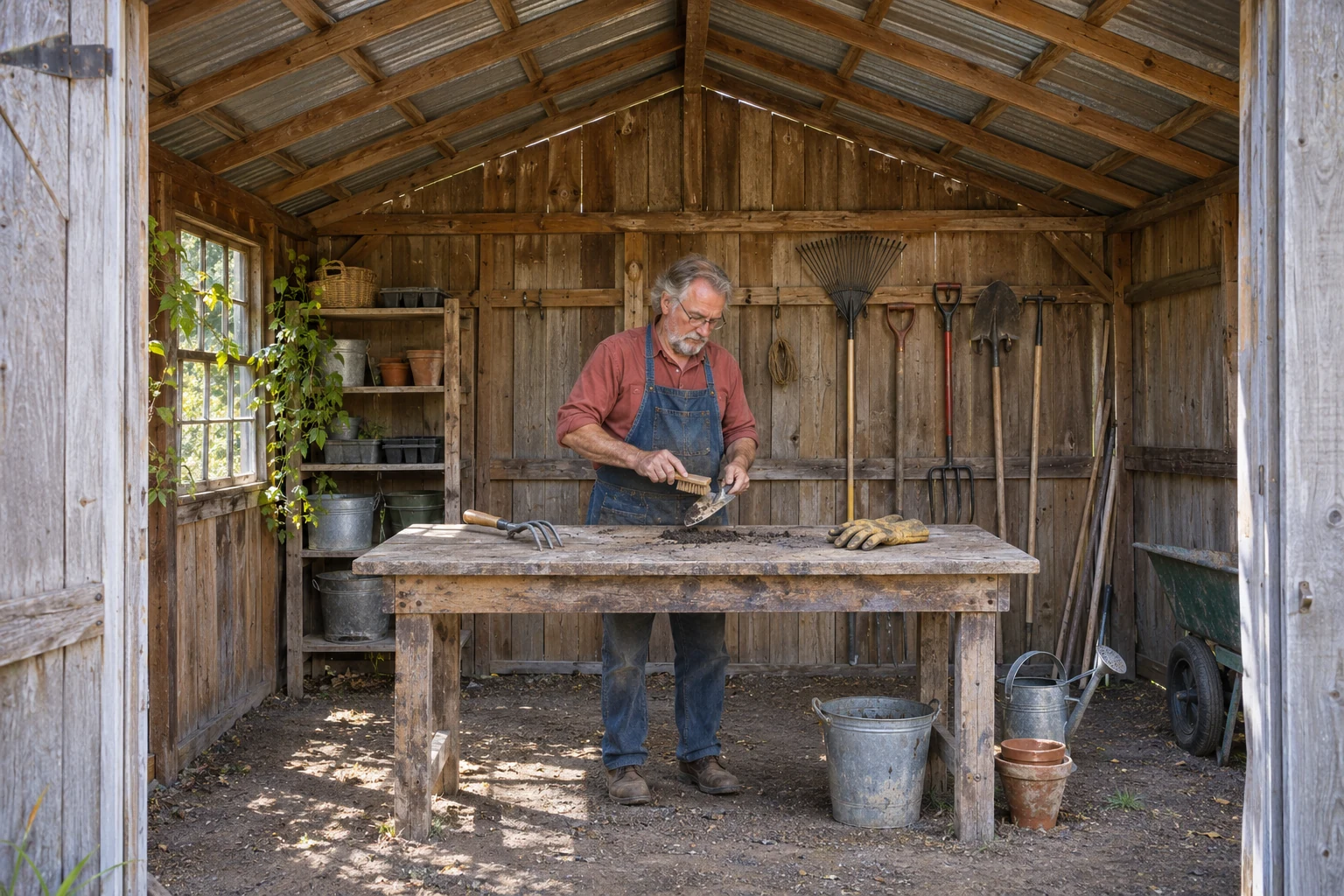
3. Inventory and maintain hand tools. Clean suitable tools, inspect handles and fasteners, and follow manufacturer care directions. Identify the few missing tools that would solve an actual task rather than buying a complete set by default.
Projects 4–6: make one growing area useful
4. Test a small garden bed. Arrange an appropriate soil test and use its recommendations before purchasing amendments. The UMN soil-testing guide explains the role of testing. This project can prevent spending on products the bed does not need.
5. Grow one container crop. Choose a suitable vegetable you already eat, a safe container with drainage, and appropriate growing medium. Track the complete cost and useful harvest rather than counting the seed packet alone.
6. Improve watering access. Fix a leaking connection, organize a hose, or move a manageable container closer to water. Low cost homesteading projects often pay off through reduced effort, making existing plants easier to maintain during a busy week.
Projects 7–9: practice before scaling
7. Start a manageable compost routine. Use a suitable backyard method or an available collection program. Follow the EPA composting guide for accepted materials and management. Begin with the capacity you can maintain instead of accumulating scraps without a system.
8. Preserve one small batch. Choose a tested freezing, drying, or canning procedure for a familiar food. Borrow appropriate equipment or attend a class when practical. Use the result in a normal meal before deciding a machine deserves permanent space.
9. Save seed from one suitable crop. Follow crop-specific extension instructions and keep clear records. Retain a backup seed source while learning; the first experiment should develop a skill without putting next season's entire garden at risk.
Projects 10–12: make the budget reflect real life
10. Build a seasonal task calendar. Add planting, harvest, maintenance, and storage checks to dates that fit your local climate. Include vacations and busy work periods so you can see where help or a smaller project is needed.
11. Create a borrowing and learning list. Identify legitimate tool libraries, extension classes, or people willing to share equipment. Confirm availability and care expectations before relying on access. A trial can reveal that you need a different tool—or none at all.
12. Track a beginner homestead budget. Record purchases, recurring supplies, time, useful output, and repairs for one season. Review the record before the next major purchase. Expand projects that serve the household well, and stop those that repeatedly consume resources without delivering something you value.
