
Prepping at a glance
- Use local frost, heat, and daylight patterns.
- Reserve space and start dates for later crops.
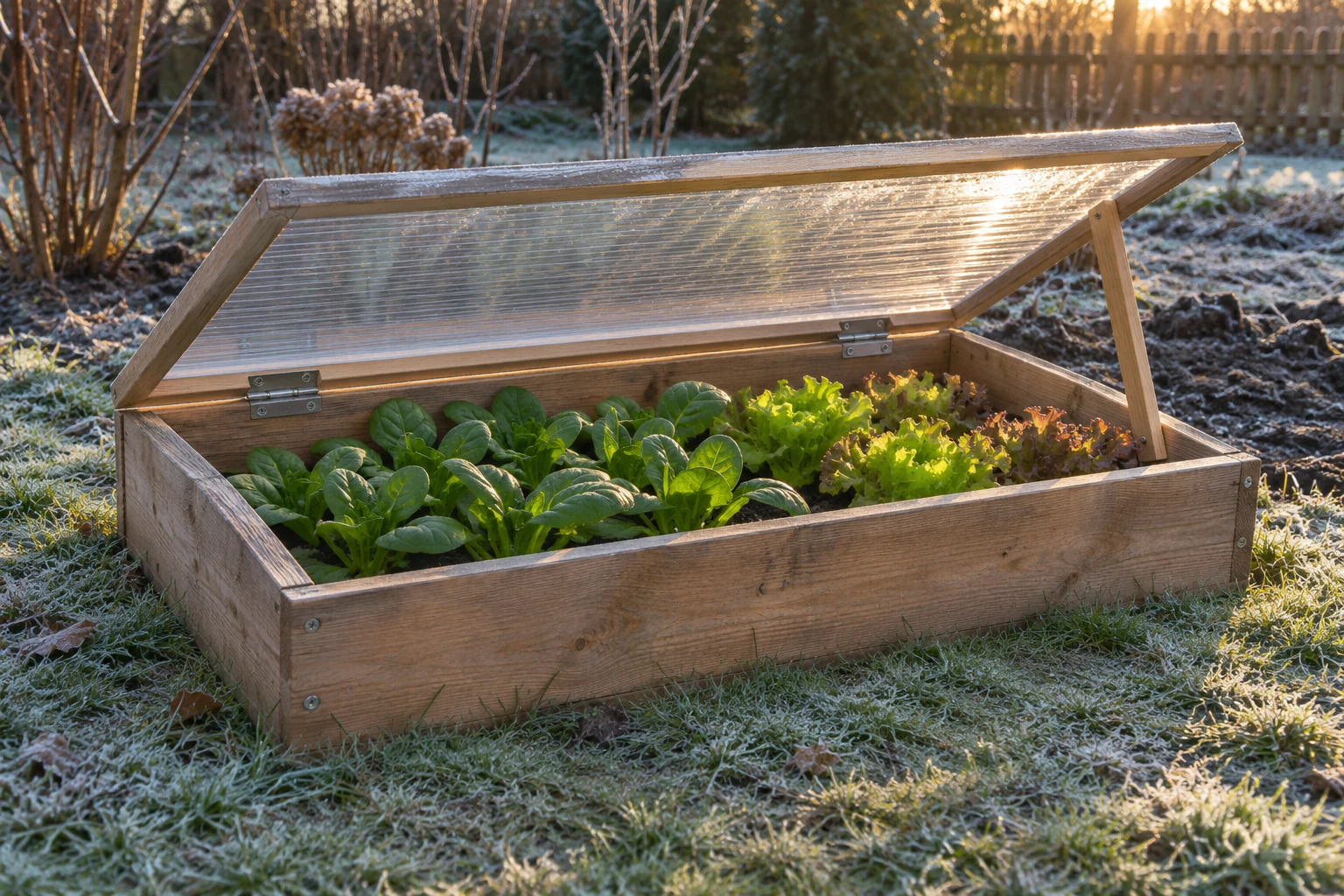
- Try one small protected bed before investing in a larger structure.
Define what year-round means in your climate
Year round vegetable garden planning can mean fresh harvests across more seasons, a mix of fresh and stored produce, or protected production during part of winter. It does not necessarily mean active outdoor growth every month. Define your goal before buying a greenhouse or copying a calendar from a different climate.
Gather local planting guidance, typical frost periods, summer heat patterns, and the experience of nearby growers. Keep those beside your own observations. A garden calendar should record when each crop is planted, when space becomes available again, and when the harvest is expected. It should also include periods when maintaining the garden is difficult for your household.
Build a sequence for each bed
For a temperate-climate example, a bed might begin with an appropriate cool-season crop, move to a suitable warm-season planting, and later support a fall crop. The exact crops and dates depend on location and available growing time. Draw the sequence before purchasing seed so two crops are not both assigned to the same occupied space.
Include indoor sowing or transplant purchases in the timeline. A fall vegetable garden often needs preparation while summer is still underway. The University of Maryland Extension fall guide explains the importance of establishing crops before declining light and cooling weather slow growth. Adapt its regional advice rather than shifting every date unchanged to your home.
Use season extension gardening selectively
Row covers, low tunnels, and cold frames can help suitable crops through portions of the shoulder seasons. They add work as well as protection: covers must be secured, temperatures checked, and ventilation or access managed. They do not erase the requirements for light, water, or an appropriate crop.
The Iowa State University Extension low-tunnel guide is a useful starting point. Try a small area first and record the difference from an uncovered planting. Include the materials, anchoring, maintenance, and daily attention in your evaluation before deciding a larger structure is worthwhile.
Connect the calendar to harvest and storage
Add expected processing weeks to the plan so a large harvest does not arrive without available time or equipment. Choose tested preservation methods for surplus and include stored crops in winter meal planning. A well-stocked freezer or appropriate produce storage may contribute more practical winter food than forcing a difficult fresh crop through unsuitable conditions.
At the end of each season, revise the calendar with actual dates, weather interruptions, and useful harvests. Note gaps between crops, beds that were unavailable when needed, and protected plantings that demanded too much attention. Aim to extend the productive period one manageable step at a time. A locally tested calendar becomes more valuable each year because it reflects your site and household rather than an idealized twelve-month promise.
