
Prepping at a glance
- Plan exits and assistance for each household member.
- Choose an outside meeting place that is easy to identify.
- Practice calmly and keep exits clear every day.
Draw the routes people would actually use
A home fire escape plan starts with a simple drawing of rooms, doors, and available exits. Consider where people sleep and how they would leave if a familiar route were blocked. US Fire Administration escape guidance emphasizes planning and practice because escape time can be short. A route on paper is not useful if furniture, locks, or stored belongings make it unusable.
Walk through the plan with everyone who lives there. Include children, older adults, people with disabilities, and regular overnight guests. Ask about actual movement and communication needs instead of assigning assistance without discussion. In apartments or other shared buildings, learn the building’s procedures and clarify questions with management and appropriate local fire officials.
Give alarms and assistance specific attention
Check that smoke alarms are installed and maintained according to US Fire Administration guidance and manufacturer instructions. Consider whether the warning method is suitable for each person, including someone who may not hear a standard alarm. Ask qualified advisers about appropriate accessible alarm options rather than assuming louder sound solves every need.
Assign help responsibilities with a backup if the usual adult is away. Keep necessary mobility aids and glasses reachable without blocking exits. Avoid a plan that requires someone to cross the house repeatedly collecting possessions. The aim is for people to move toward safety with as few extra tasks as possible, not to perform a complicated checklist during a fire.
Choose an unmistakable outside location
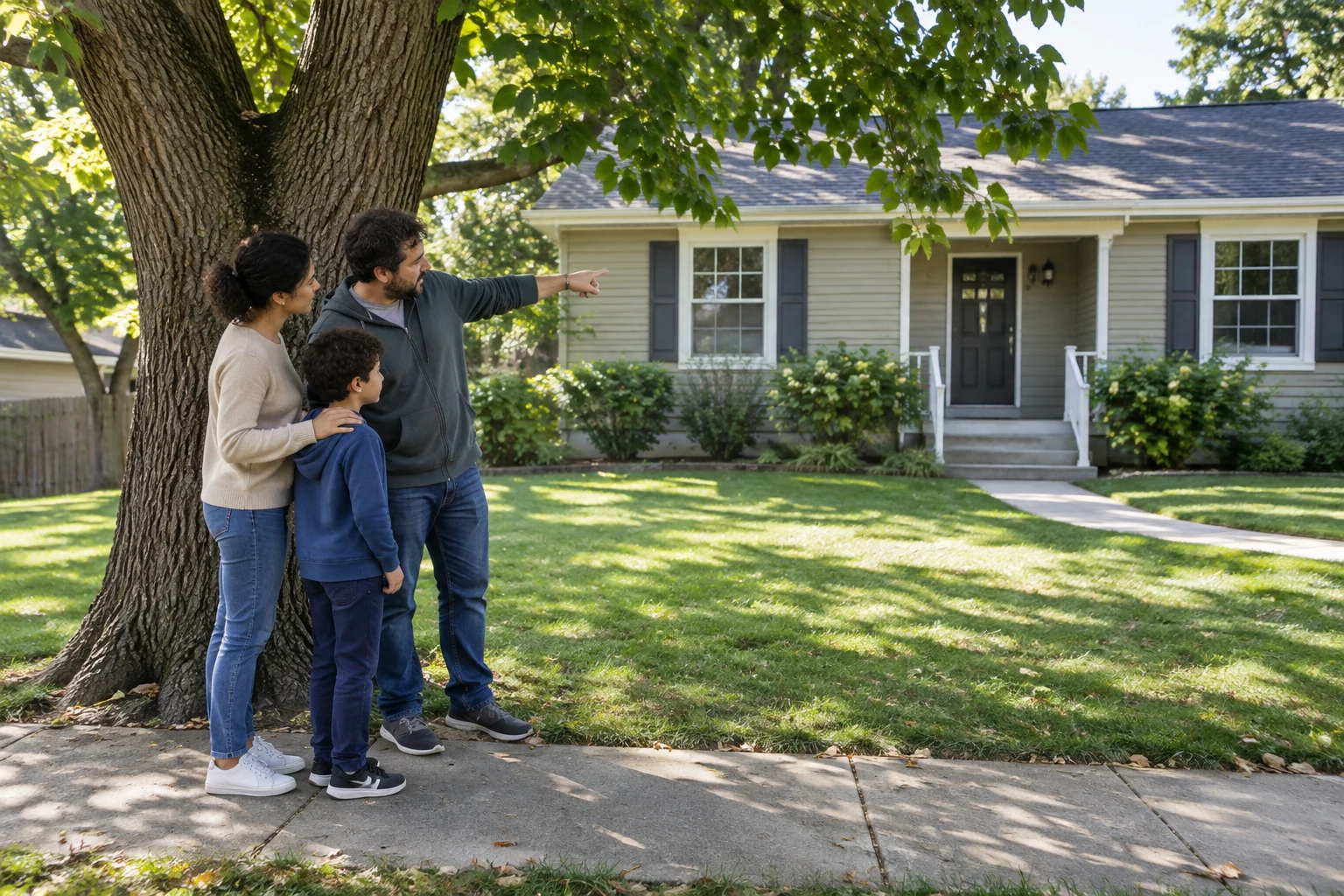
A fire escape meeting place should be specific enough that everyone recognizes it and situated away from the building without obstructing responders. Discuss the choice with household members and check it from each planned exit. A vague instruction to meet out front can lead people to search in different places.
Make clear that once outside, people stay outside and call emergency services from safety. Tell responders if someone may still be inside; do not reenter to search, collect a pet, or retrieve a phone. Keep the meeting rule simple enough for children and guests to remember. Update it if landscaping, parking arrangements, or construction makes the original spot unsuitable.
Practice a short drill and fix the gaps
A family fire drill should be announced, calm, and adapted to household abilities. Walk the routes, meet outside, and discuss what was difficult. Do not create smoke, disable essential equipment, or attempt risky window escapes as a do-it-yourself exercise. Seek local fire-service advice for concerns that require special equipment or building changes.
Afterward, fix one or two concrete problems immediately: move a storage box, clarify the meeting location, or resolve a difficult latch. Repeat practice after a move or major household change and include caregivers who may be present at night. Keep daily exit checks simple. The most valuable plan is the one people can follow with the home arranged as it really is, not only when it has been specially prepared for a drill.
