
Prepping at a glance
- Document defects and ask the landlord for appropriate repairs.
- Include shared entrances and visitor access in the review.
- Check lease and fire-safety requirements before modifications.
Start with condition, not shopping
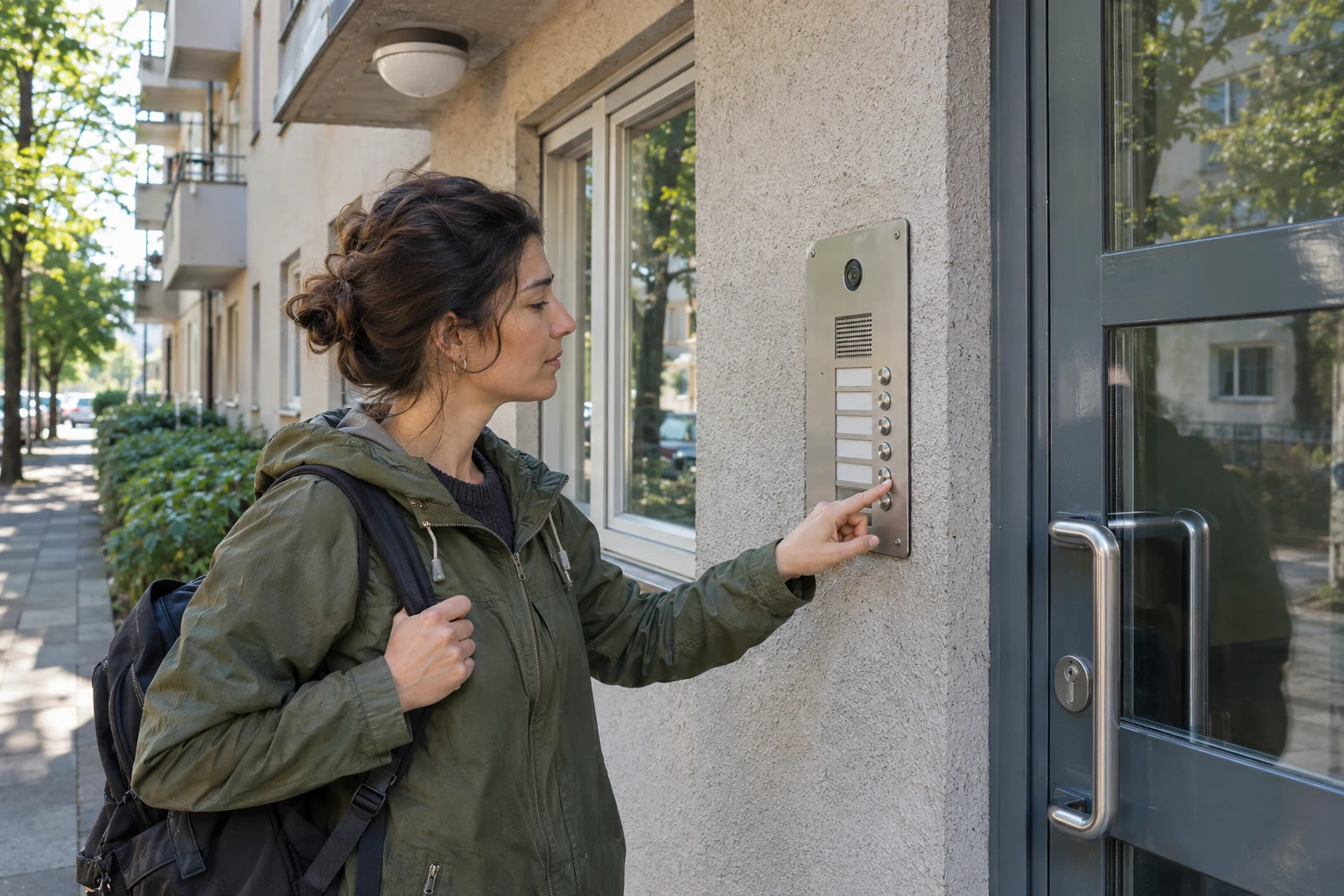
Apartment security tips are most useful when they begin with what already exists. Check the unit door, accessible windows, intercom, lighting, and shared entrance. Record defects with clear descriptions and photographs where appropriate. A door that does not latch reliably needs a repair request, not merely a new camera pointed at it.
Use police guidance on securing home access as a general checklist, while recognizing that your building, lease, and local rules control what modifications are allowed. Submit concerns through the landlord’s designated process and keep a copy. If an issue is urgent, use the appropriate emergency maintenance channel rather than waiting for a routine message to be read.
Discuss changes with specific requests
Renter security upgrades are easier to evaluate when the request identifies the problem and a suitable outcome. For example, ask for a malfunctioning entry lock to be assessed or for lighting in a common access area to be repaired. Avoid demanding a particular product before checking compatibility, required approvals, and who will maintain it.
Clarify whether permission is needed for a door viewer, camera, additional lock, or other device. Ask about shared-area privacy and building policies. Keep all necessary keys and access arrangements consistent with lawful lease requirements. A reversible product is not automatically permitted or safe simply because it does not require drilling; evaluate its effect on doors, alarms, and emergency access.
Keep an exit and response plan
Review how everyone would leave during a fire, including guests and people with limited mobility. US Fire Administration escape planning guidance is a useful companion to a security review. Do not add barriers that prevent required escape or depend on finding a hidden key under stress. Ask the building manager and appropriate local officials about uncertainties.
Agree what to do if you return to signs of forced entry: remain in a safe location and contact police instead of searching the apartment. Keep emergency and management contacts accessible offline. After repairs or approved upgrades, check that they actually work for each household member. Review the plan when roommates change so old access arrangements and assumptions do not quietly become permanent.
