
Prepping at a glance
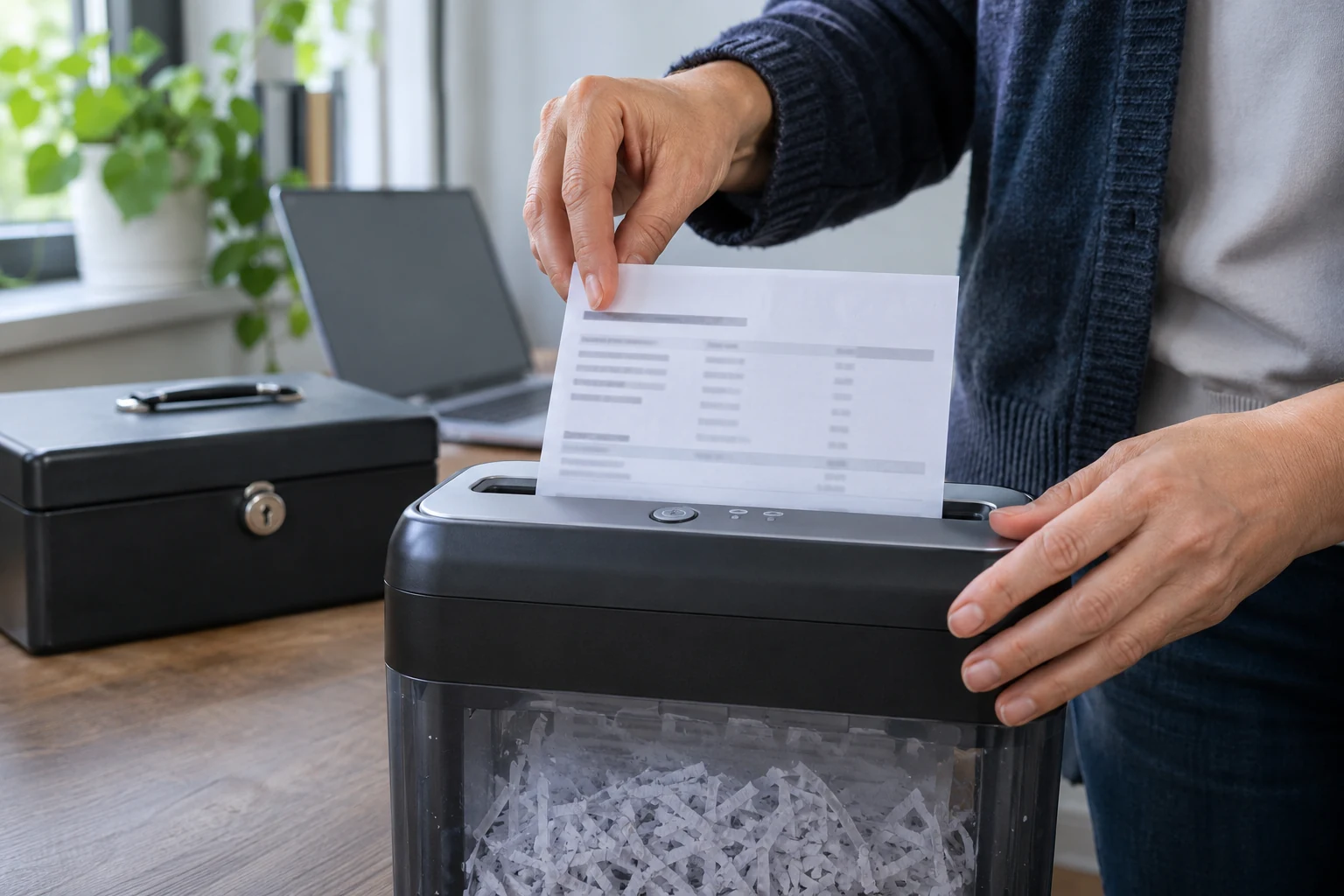
- Keep sensitive document copies protected and limited.
- Understand what a credit freeze does and does not do.
- Use official recovery guidance if identity misuse occurs.
Reduce unnecessary exposure
An identity theft protection checklist begins with the information already circulating in your household. Review paper files, old devices, shared folders, and messages containing identification or financial details. Keep necessary records, but avoid maintaining several unsecured copies just because copying is easy. Decide who needs access and how access will work during an emergency.
A portable document kit is helpful only if it does not become a complete collection of exposed secrets. Carry what serves the situation and secure the rest appropriately. Do not post identification, boarding passes, insurance details, or financial documents in public groups while seeking assistance. Ask why information is needed and verify the organization before sharing sensitive records.
Understand freezes and account protection
Credit freeze planning can be part of a household review even before suspected identity theft. FTC guidance explains credit freezes and fraud alerts and their differences. A freeze can restrict access used to open new credit, but it does not prevent every kind of identity misuse or replace monitoring existing accounts.
If you choose a freeze, learn the process at the relevant credit bureaus and keep recovery information secure. Plan for legitimate situations in which you may need to lift it. Strengthen important account passwords and multifactor authentication separately. A credit-related measure does not protect a compromised email inbox, and account security does not eliminate the need to review unexpected bills or notices.
Recognize problems without jumping to conclusions
Review financial statements and account notifications through normal trusted channels. Investigate unfamiliar transactions or unexpected account-opening messages promptly, but verify that the notice itself is real. Contact the organization using a known number or its independently located official site. Do not use a suspicious message’s contact details simply because it includes personal information.
Keep a concise log of what happened, when you noticed it, and whom you contacted. Save relevant records securely. This helps distinguish a billing error from possible identity misuse and prevents repeated explanations from becoming inconsistent. Avoid sending full account details to several people when a partial reference or secure provider channel is sufficient.
Prepare a recovery route before it is needed
An identity theft recovery plan should point to the FTC’s IdentityTheft.gov recovery steps and your verified financial institution contacts. The right actions depend on which information or accounts were affected. Follow official guidance for reporting and recovery rather than purchasing a service solely because an alarming message says immediate payment is required.
Identify a trusted person who can help organize calls and records if you become overwhelmed, while keeping access limited to what is necessary. After the immediate issue, review how the information was exposed and update storage or account practices. The goal is a workable response system: protected records, clear contacts, and a reliable way to document progress without turning the emergency binder itself into a source of avoidable risk.
