
Prepping at a glance
- Fix broken locks and access habits before buying electronics.
- Preserve emergency exits when considering barriers.
- Budget for maintenance and ongoing service costs.
Inspect the ordinary entry points
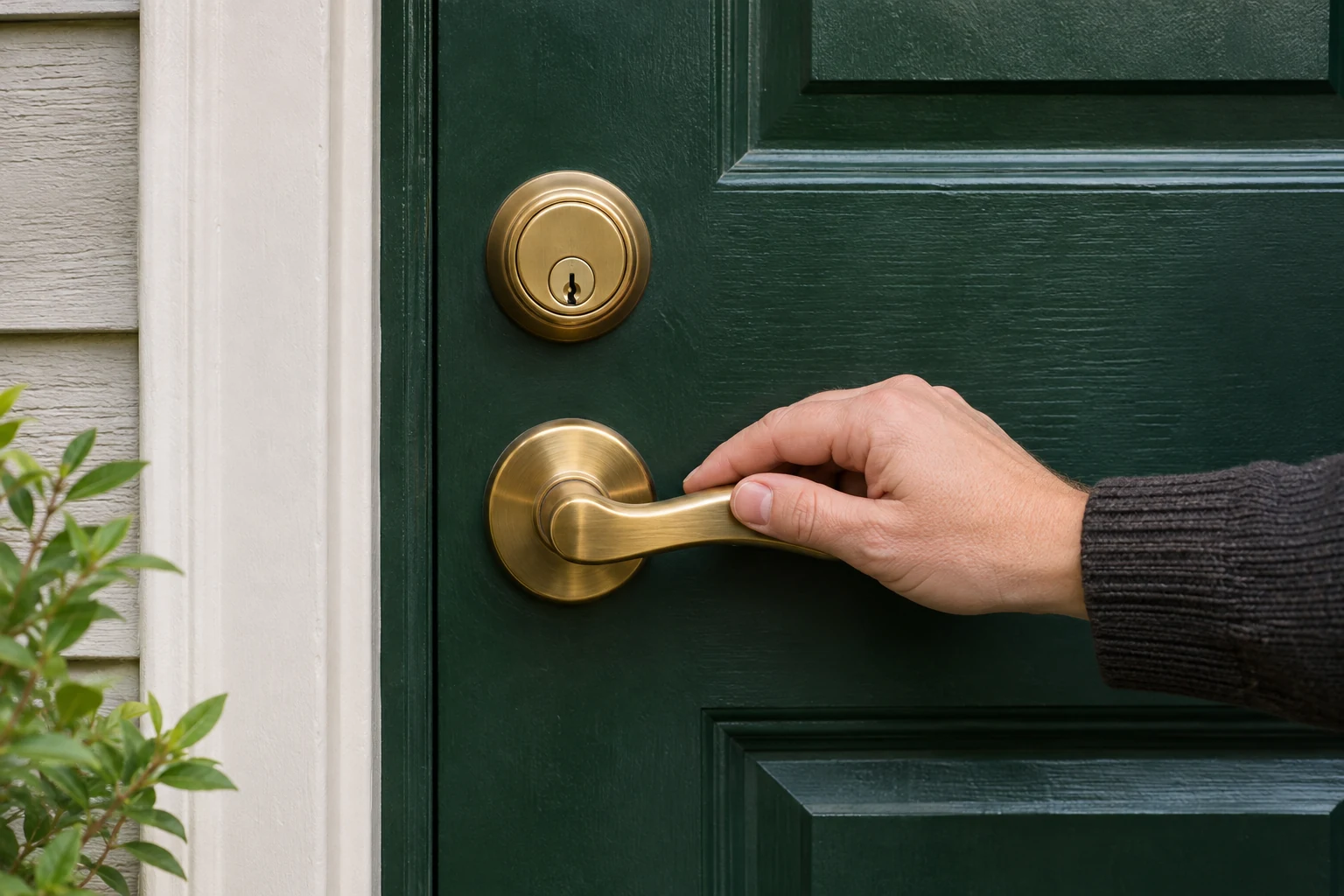
Home security on a budget starts with a walk around your own property during normal conditions. Check whether doors and windows close and lock properly, whether exterior lights work, and whether house numbers are visible for responders. Note repairs separately from upgrades. A broken latch is a different problem from wishing for a newer camera.
Seattle Police home security guidance highlights securing accessible doors and windows and reviewing visibility. Apply the general principles to your building while checking local requirements. Renters should report defects and seek permission for alterations. Do not assume a device recommended for one door or jurisdiction is appropriate for every exit.
Prioritize changes by the problem solved
Budget burglary prevention works best when each purchase answers a specific question. Does the household need a functioning lock, better visibility at a regularly used entrance, or a way to identify a visitor without opening the door? Rank those needs before shopping. Compare installation, battery replacement, connectivity, and subscription costs rather than the advertised purchase price alone.
Look for free improvements too. Keep keys and valuables out of obvious view, establish a consistent closing-up routine, and avoid advertising an empty home unnecessarily. Ask a trusted neighbor about checking on the property during a trip if that arrangement suits both households. None of these measures guarantees security, but they can address preventable gaps without creating a complicated system.
Keep safety and access compatible
Home security priorities must include escape during fire or another emergency. A barrier that delays a household member or caregiver can create a new problem. Consider children, limited hand strength, mobility needs, and visitors when evaluating locks or release mechanisms. Ask qualified installers and local authorities about applicable building and fire requirements.
Do not install traps or devices intended to injure someone. If you notice signs of a possible break-in, avoid entering to investigate and contact police from a safe place. Agree on this response beforehand so nobody feels obliged to search the house. Security planning should reduce exposure to confrontation, not create an expectation that a household member will handle a threat personally.
Choose equipment you can keep working
Before adding a camera or alarm, ask what happens when electricity, Wi-Fi, or a subscription is unavailable. Review who can access recordings, how notifications work, and whether alerts will be useful or constant distractions. Set strong account credentials and update supported devices. A camera provides information; it is not a replacement for a working door or a response plan.
Set a small maintenance routine and a spending limit. Check the equipment you already own before buying more, and reassess after moving or changing household needs. Keep an inventory of serial numbers and insurance details in a secure location. The most effective budget is one that funds a few appropriate, maintained improvements instead of several impressive devices nobody has time to manage.
