
Prepping at a glance
- Separate radiation-rate measurements from accumulated dose.
- Verify detection range, calibration and limitations.
- Never use an unfamiliar reading to override shelter instructions.
Start with the question being measured
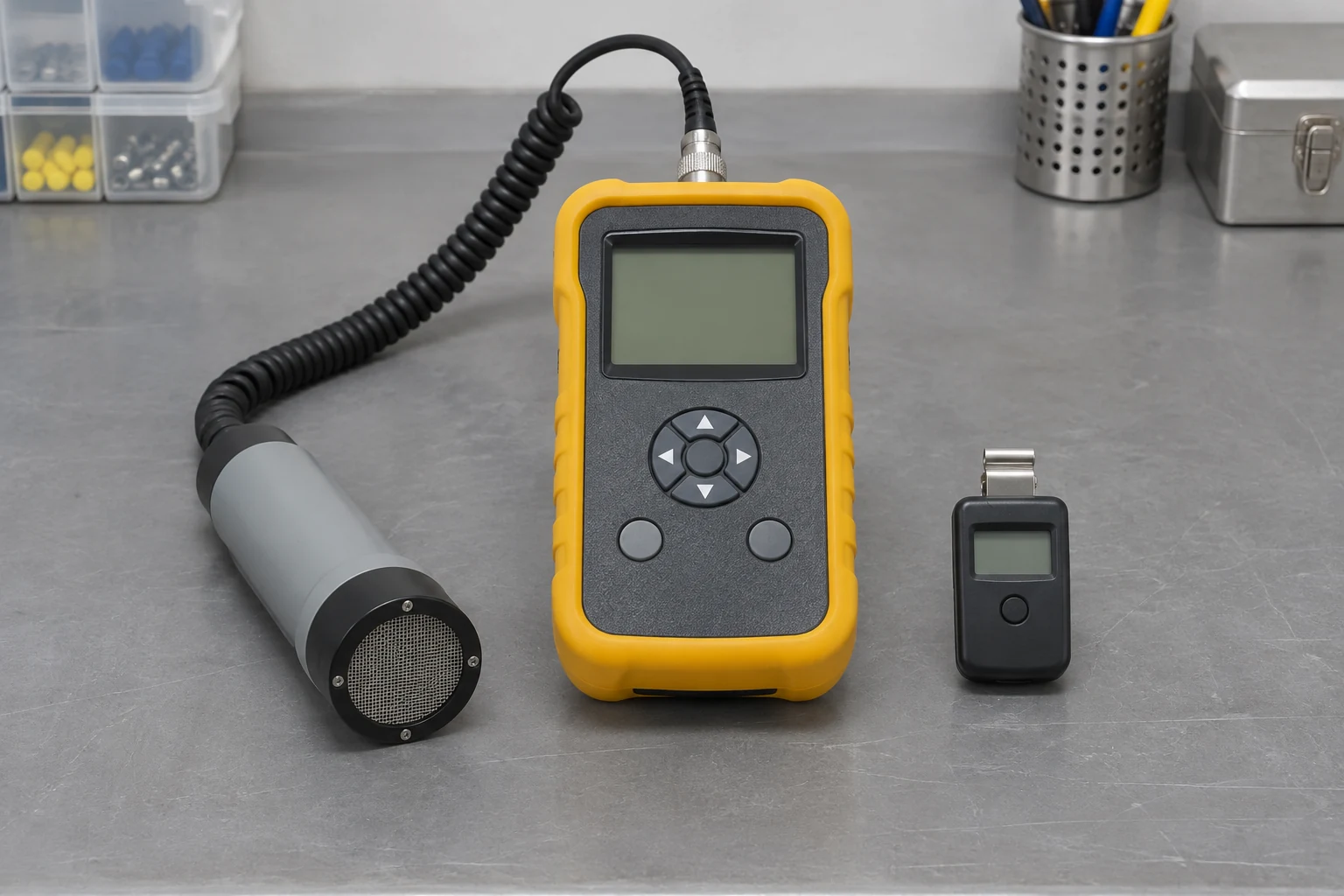
The geiger counter vs dosimeter comparison is partly a comparison of functions. A radiation survey meter measures radiation conditions at a place or surface, depending on its detector and configuration. A personal radiation dosimeter tracks exposure over time for its intended use. Some instruments combine functions, so the product label alone does not describe everything it can do.
NRC: detecting radiation explains common detection instruments and their roles. A Geiger-Mueller detector is one technology, not a guarantee that every type of radiation or every intensity is measured appropriately. Before shopping, identify whether you seek educational monitoring, professional occupational support or household emergency information. Those purposes call for different expertise and equipment.
Read the units and limitations
Check which radiation types the instrument detects, its energy response, measurement range and behavior when the range is exceeded. Counts, dose rate and accumulated dose are different quantities; converting between them may require assumptions and calibration specific to the instrument and radiation field. Avoid adopting a conversion copied from an unrelated device.
Ask whether the display warns of overload and whether alarms are adjustable or factory-set for a particular purpose. A low or zero reading does not automatically establish safety. The device may be unsuitable for the radiation, positioned incorrectly, damaged or outside its operating range. Its instructions should explain these limits in terms a trained user can apply.
Include calibration and training in the cost
Compare documentation, calibration support, service intervals, batteries and storage conditions. A bargain instrument without traceable specifications or a workable service path can be difficult to interpret responsibly. Used equipment deserves particular scrutiny because its condition and calibration history may be unknown.
For a personal radiation dosimeter, understand who reviews the results, what the settings mean and how the device is worn or handled. For a survey meter, proper technique and detector selection matter. Do not purchase radioactive materials or enter a questionable area just to test a consumer device. Use the manufacturer's safe check procedures and seek qualified training appropriate to the intended application.
Keep emergency actions independent of curiosity
During a radiation emergency, follow official instructions for sheltering, evacuation and monitoring. Do not delay shelter to retrieve a meter, go outside to collect readings or use an unfamiliar number to decide that authorities are wrong. A household instrument cannot map the broader incident or account for every exposure pathway.
Before purchase, write down the decision the device would genuinely improve and the expertise needed to make that decision. If the answer is unclear, spend first on reliable alerts, an accessible shelter plan and essential supplies. For those with a legitimate monitoring need, choose documented equipment and training together. Owning a detector is not the same as being able to make a safe radiation-protection decision from its display.
