
Prepping at a glance
- Inspect by function rather than counting objects.
- Replace supplies after use and review dates.
- Assign each correction an owner and deadline.
Choose two useful review dates
An emergency kit maintenance checklist works best when it fits the household calendar. Pick two repeatable dates before your main seasonal risks, such as a spring storm period and winter weather. Add a smaller review after an evacuation, outage, trip or borrowed item. Calendar checks cannot catch a flashlight removed yesterday unless someone returns it.
Set out the inventory, manuals and a box for items requiring attention. Decide which kits you will inspect: home supplies, departure bags, vehicle equipment and everyday charging gear. A preparedness gear inspection should finish one area properly rather than opening every container and leaving the entire system scattered across the floor.
Check function, condition and compatibility
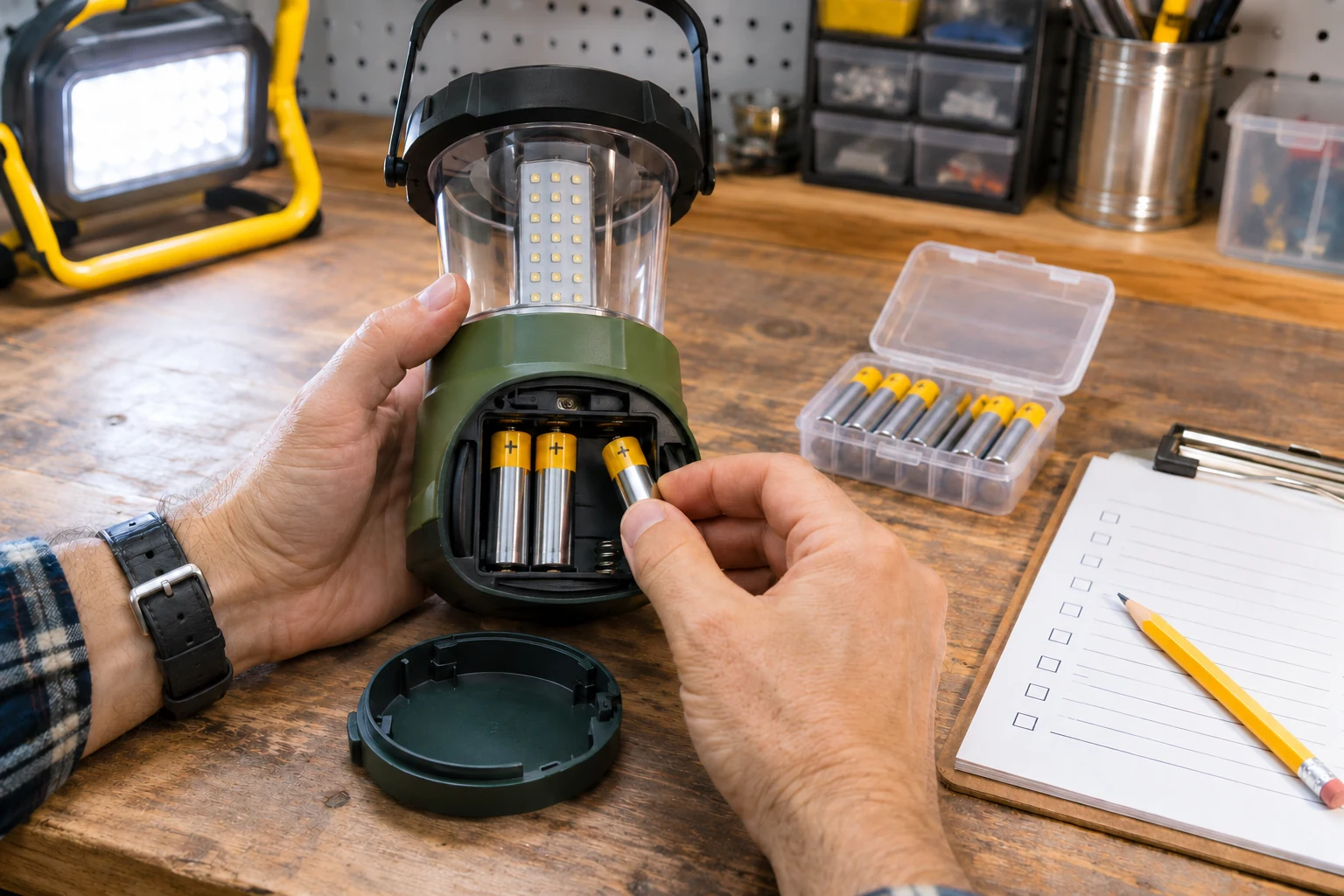
Turn on lights, operate radios and verify charging with the actual cables stored in the kit. Follow manufacturer procedures rather than running critical batteries empty for a test. Inspect containers for leaks, labels for readability and tools for damage. Confirm that spare batteries and replacement parts match current equipment.
Ready.gov emergency supply checklist is a useful category reminder, but your own inventory should record model-specific instructions and review dates. Revisit storage locations for heat, moisture, pests or blocked access. A kit may be complete on paper yet inaccessible after furniture is rearranged. Check that household members can lift the bags or boxes they are expected to move.
Rotate consumables without creating waste
Emergency supply rotation can be part of ordinary meals and routines. Move suitable food into normal use according to its storage and date guidance, then replace it deliberately. Inspect packaging rather than relying only on a date. For medicines and medical supplies, follow product requirements and consult the pharmacist or care team about replacements and disposal.
Review personal sizes, dietary needs, pet supplies and changing abilities. Children's clothing and equipment may no longer fit; a new phone may require another cable. Update contact cards and document copies, protecting sensitive information. Mark what was actually changed so the next inspection does not repeat the same unanswered questions.
Close the loop on repairs
Create three short lists: replace now, learn or practice, and consider later. A failed light belongs on the first; uncertainty about radio programming belongs on the second. Optional upgrades should not displace repairs to equipment you already depend on. Give each important item an owner and a realistic completion date.
Return everything to its labeled location and update the inventory before ending the session. Photograph the layout if that helps another person restore it after use. Schedule a brief follow-up for unresolved repairs rather than waiting another six months. The measure of success is straightforward: the household can find supplies, operate equipment and explain what still needs attention. A modest, maintained kit is more dependable than a larger collection with unknown condition.
