
Prepping at a glance
- Include roads and transport in flood planning.
- Keep important records protected and portable.
- Never treat floodwater as a route to test.
Map the places water could isolate
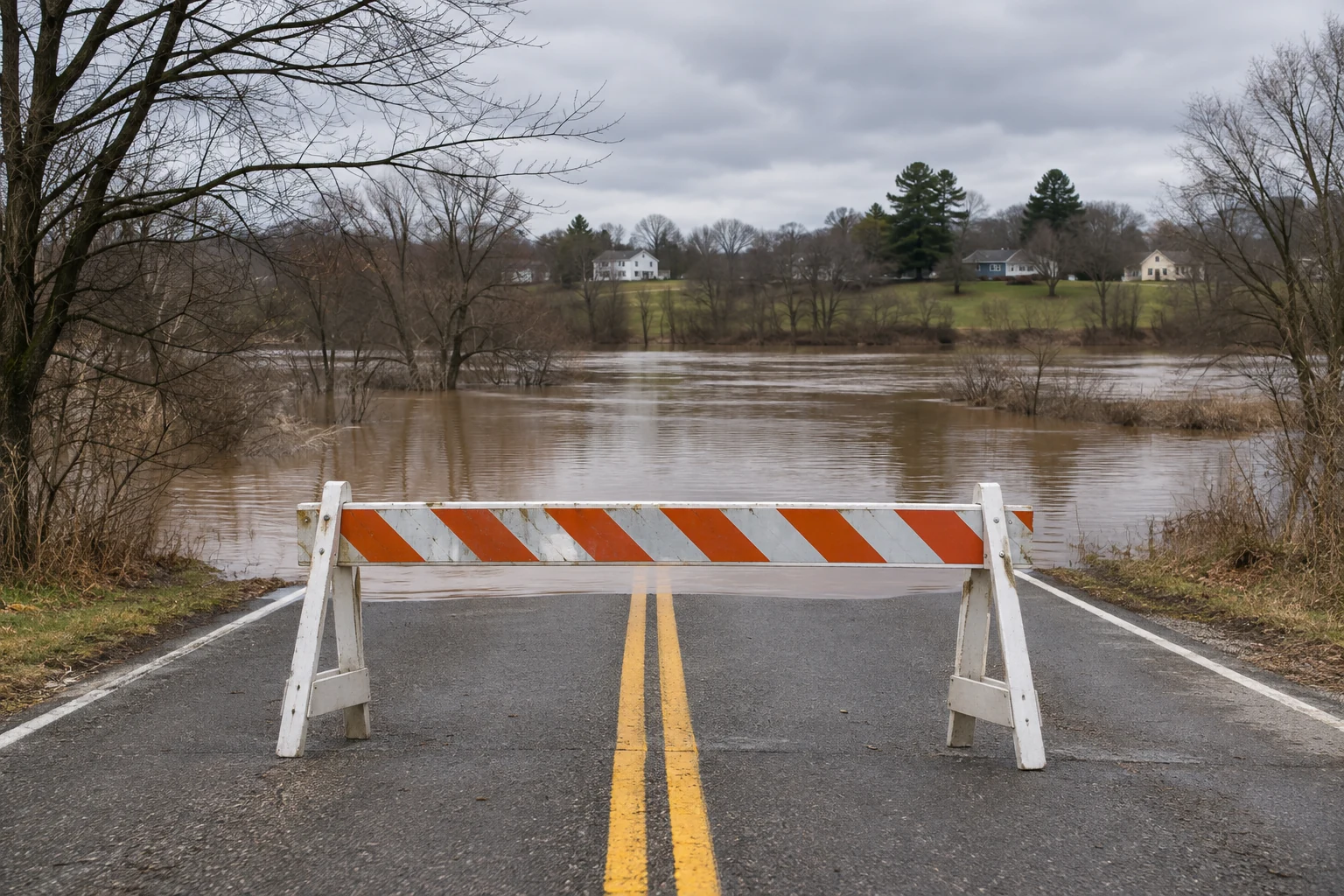
A flood preparedness checklist should cover more than the lowest room in the house. Think about roads, bridges, parking areas, workplaces, and the route used to collect children. A house can remain dry while the household loses a safe way out. Review local flood information and know which agency issues evacuation and road closure instructions.
The National Weather Service flood safety guidance warns against entering flooded roads. Do not use a vehicle's size, another driver's attempt, or familiar pavement as proof of safety. Water can conceal damage and conditions can change quickly. Put that decision in your plan now so no one feels obligated to test a questionable crossing later.
Move records before there is a warning
To protect documents from flooding, start with the records that would be difficult to replace or needed immediately after displacement. Keep identification copies, insurance details, property inventories, medical information, and important contacts in a protected, portable system. Maintain a secure copy away from the same physical location so one event cannot destroy everything.
Choose storage that household members can reach without entering a basement or moving heavy furniture. Label files by purpose rather than building an elaborate archive nobody can navigate. Keep originals secure and limit unnecessary exposure of personal information. Photograph property during normal conditions, when you have time to capture identifying details and review what your insurance documents actually say.
Make leaving a practical option
A flood evacuation plan needs a destination, transport, and a trigger for action. Determine who may need additional help and how you will communicate if the usual driver is elsewhere. Include pets, mobility aids, medicines, and essential care supplies in your departure list. Check official advice for your area instead of relying on a universal water-level rule.
Prepare the vehicle and bags while conditions are safe. If a route becomes uncertain, use official road information and instructions rather than a shortcut through unfamiliar low ground. Tell your designated contact where you are going. Make clear that collecting possessions or returning for a forgotten charger does not take priority over a safe departure.
Plan for a cautious return
Flood preparation also includes the day after the water recedes. Follow local guidance about reentry, building safety, utilities, drinking water, and cleanup. A dry-looking floor does not prove that electrical equipment or a structure is safe. Keep children and pets away from damaged areas while hazards are assessed.
Store insurance contacts and a way to record damage without requiring unsafe entry. Arrange help for tasks beyond your equipment, training, or physical capacity. After the immediate situation, review whether alerts reached everyone and which route assumptions failed. Update storage locations and the departure list from that experience. A useful flood plan gives you permission to leave early and return cautiously instead of treating property access as the overriding goal.
