
Prepping at a glance
- Keep suitable dressings, gloves, and safe water available.
- Protect wounds from contaminated water and damaged supplies.
- Seek care for serious injury or signs of infection.
Build a kit for the care you can appropriately give
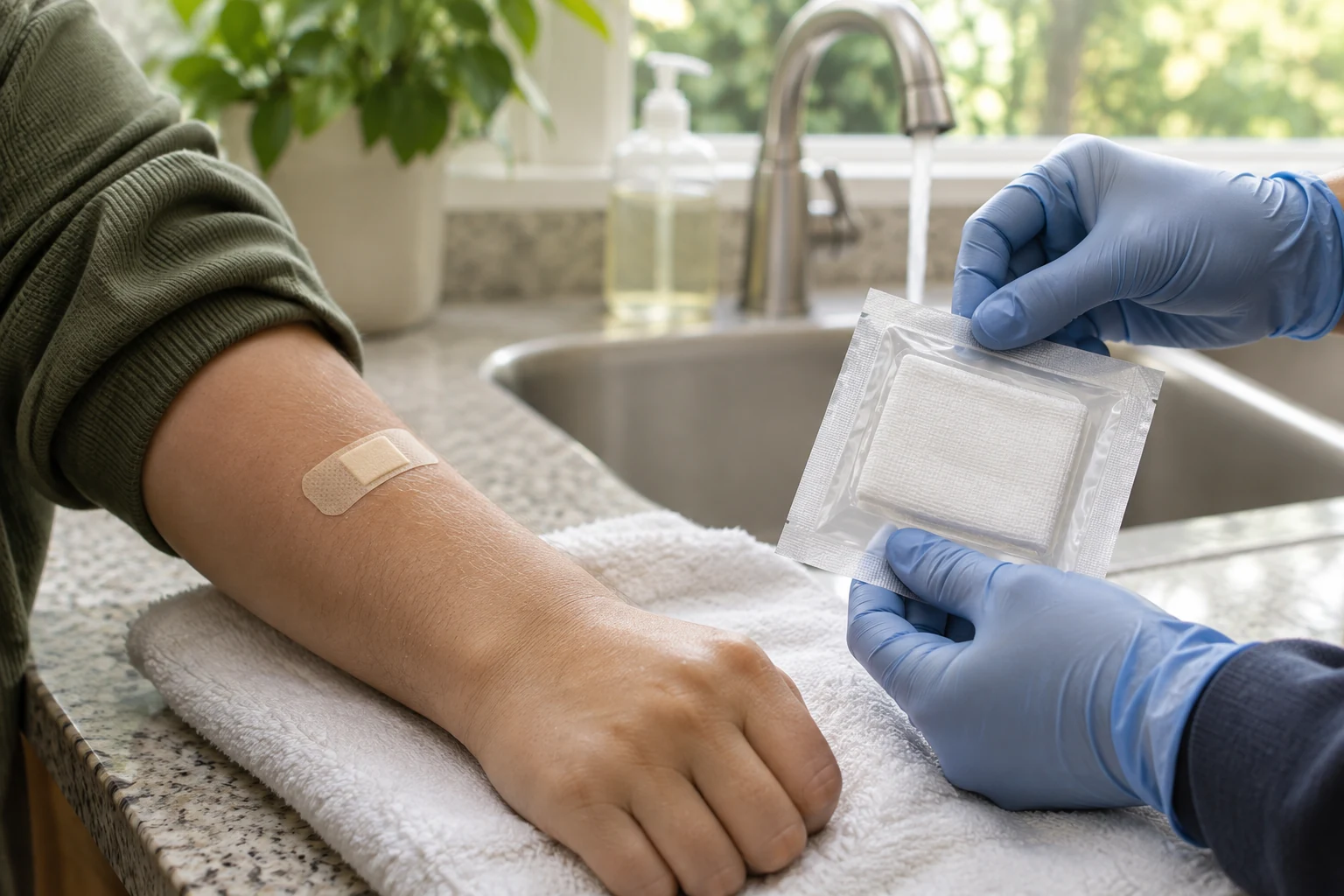
Emergency wound care supplies can include protective gloves, sterile dressings or gauze, adhesive bandages in useful sizes, suitable tape, and access to clean water. Choose products the household can tolerate and store them according to their labels. Keep medicines and specialized products subject to clinician or pharmacist advice rather than assuming every wound needs the same treatment.
A minor wound care kit should be easy to distinguish from supplies for severe bleeding or prescribed medical procedures. Label compartments clearly and avoid opening sterile packages to make everything fit. If a package becomes wet, torn, or otherwise compromised, replace it. A neatly packed item is not necessarily suitable for use after its protective packaging has failed.
Protect cleanliness during an emergency
CDC emergency hygiene guidance recommends cleaning open wounds with soap and clean water, keeping them covered appropriately, and avoiding exposure to contaminated water. Arrange the kit so clean supplies do not share a loose container with dirty tools or used dressings. Include a practical way to manage waste and wash hands.
If water service is disrupted, follow local advice about water safety rather than assuming tap water or outdoor water is suitable. Floodwater can introduce hazards that a normal household first aid routine does not address. Do not continue cleanup work with an exposed injury simply because you have placed a bandage over it. Adjust the task or seek appropriate help.
Know when the task is no longer minor care
Wound infection warning signs include increasing redness, swelling, or drainage; CDC advises prompt medical care for these changes. Seek urgent help for severe bleeding, major injury, or a person who appears seriously unwell. Deep wounds, bites, contaminated injuries, or wounds in someone with relevant health risks may need professional assessment even when the surface looks small.
Do not close a deep wound with improvised glue, attempt to remove deeply embedded material, or use leftover antibiotics based on an online tip. Those decisions require appropriate clinical assessment. Keep a record of when and how the injury occurred, relevant exposures, and care already given so the clinician has useful information without relying on a stressful recollection.
Review tetanus and restocking before an injury
Ask your healthcare provider whether routine vaccinations are current and where those records are stored. CDC tetanus wound-management guidance explains that wound type and vaccination history affect clinical decisions. Antibiotics are not a substitute for appropriate tetanus prevention. Do not use a generic article to decide that a particular injury needs no assessment.
After using supplies, restock immediately or place the missing items on a visible list. Review kit locations with caregivers and keep a suitable travel version for ordinary outings. The goal is prompt, clean basic care and an early decision to obtain help when needed, not continuing home treatment simply because a well-stocked box is available.
