
Prepping at a glance
- Evaluate usable harvest rather than theoretical yield.
- Match crops to climate, space, and storage.
- Keep dietary variety and ordinary food reserves alongside the garden.
High calorie crops for survival garden planning
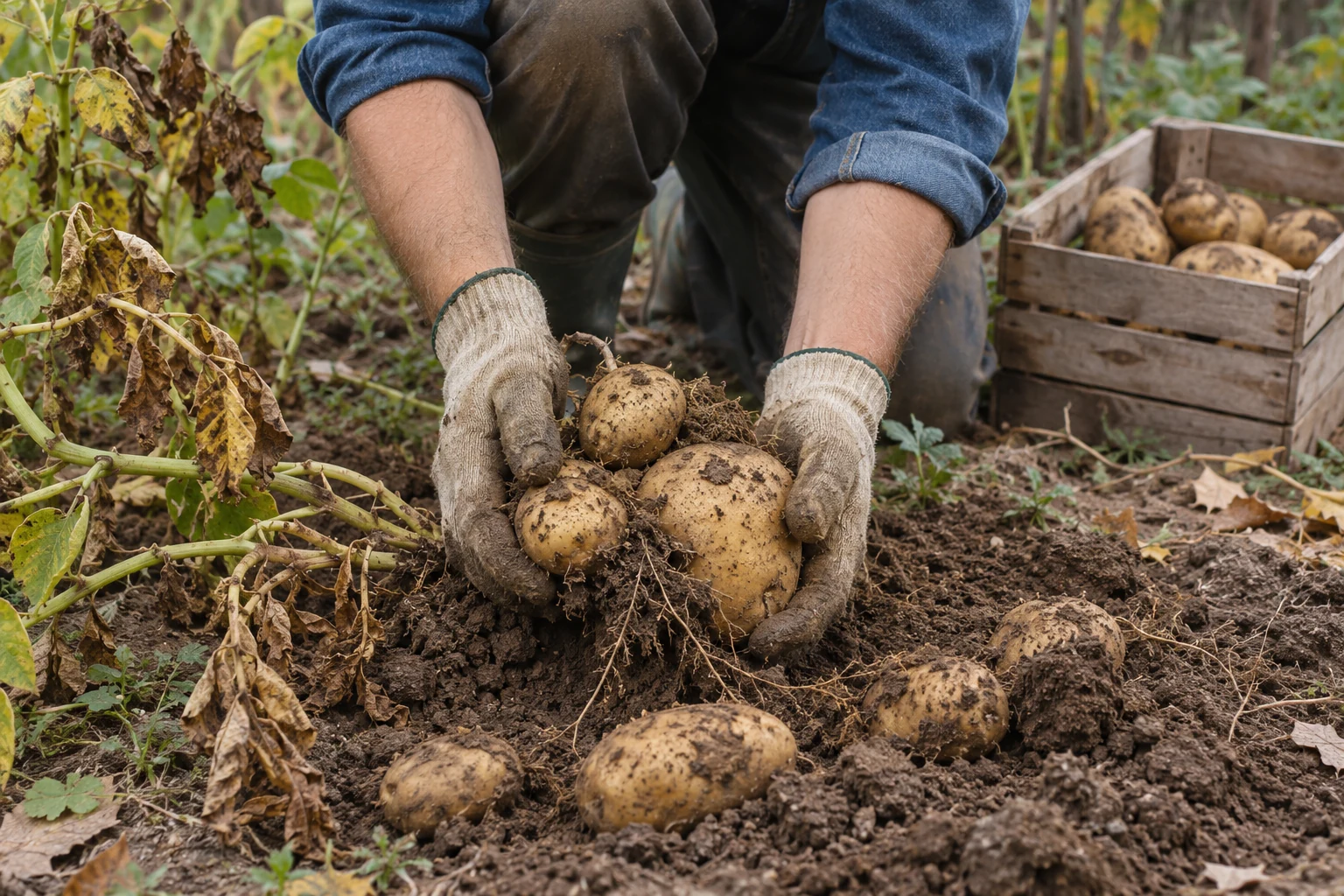
A garden intended to contribute substantial food energy needs a different plan from a few pots of salad greens. Potatoes, sweet potatoes, dry beans, and some winter squash are candidates to investigate, but the best choice depends on climate, variety, space, and storage. Do not assume a crop famous for feeding people elsewhere will perform equally well in your yard.
Start with a practical question: which staple does your household already cook, and can you grow a suitable version locally? Calories harvested are only useful when the crop survives storage and gets eaten. A large theoretical yield means little if the growing season ends before maturity or the harvest requires processing you cannot manage.
Compare crops across the whole season
For calorie crops for a small garden, list the bed area, time to maturity, support or spreading space, watering needs, likely harvest window, and storage requirements. Use local extension guidance for those details. The University of Minnesota planting guide illustrates how crops differ in seasonal timing, but its dates are regional rather than a national schedule.
Avoid comparing a fresh harvest weight with the weight of a dry stored crop as though they represent the same amount of food. You do not need a complex spreadsheet to notice that water content, edible portion, and preparation change the comparison. Record useful meals from your own trial harvest before scaling up.
Plan garden food storage before planting
Choose where each crop will go after harvest. Some require curing or particular storage conditions; others may need a tested drying, freezing, or canning method. Obtain crop-specific guidance early, and include containers, storage space, energy, and labor in the plan. A pantry shelf does not provide the right conditions for every vegetable.
Consider harvest concentration. A crop that becomes ready all at once may create a processing workload during your busiest week. Pair it with a manageable preservation method or reduce the planted quantity. If you are experimenting with a new staple, reserve only a modest area until you know how it grows and how readily the household uses it.
Keep the garden balanced and the expectations honest
A calorie-oriented plot still benefits from variety and familiar fresh vegetables. Do not interpret the project as a complete diet or an immediate replacement for groceries. Stored food covers the period before harvest, weather losses, and seasons when production is limited. A garden and a pantry solve different parts of the household food problem.
Keep notes on space used, time spent, harvest, storage losses, and meals prepared. At the end of the season, compare crops by useful output and care demands. Expand a successful staple gradually, while preserving room to learn. The strongest evidence for your next planting plan is the performance of suitable crops on your own site, supported by local growing advice.
