
Prepping at a glance
- Let the person receiving support guide decisions.
- Name a backup for time-sensitive care tasks.
- Test accessibility of transport and destinations.
Begin with the person, not a diagnosis
Emergency preparedness for disabilities should reflect the individual's preferences, communication, routines, and actual support needs. Two people with the same diagnosis may require very different arrangements. Involve the person directly and ask what would make a disruption manageable instead of treating a caregiver's assumptions as the whole plan.
The CDC's individual planning guidance covers communication, support networks, equipment, and evacuation. Use it as a framework for discussion. Choose a readable and usable format, which might include large print, pictures, clear written steps, or another appropriate communication method.
Map a normal day of support
Build a worksheet with four columns: task, usual arrangement, backup, and unresolved question. Include eating, medication, personal care, mobility, communication, transport, and equipment charging where relevant. Mark time-sensitive tasks so a substitute helper can recognize what needs immediate attention.
A caregiver emergency plan should distinguish tasks a willing friend can perform from those requiring training or professional support. Do not assume consent to help with one task means consent or competence for every task. Confirm who can assist if the usual caregiver becomes ill, cannot travel, or is affected by the same emergency.
Prepare a concise care handover
With appropriate consent, create a short care summary and keep detailed records securely accessible to authorized helpers. Include essential contacts, communication preferences, current provider instructions, and where necessary supplies are stored. Give the summary a date and remove superseded instructions when care changes.
Write one example task in enough detail that another authorized person could understand the arrangement without guessing. For instance, identify the equipment provider and where the approved operating instructions are kept. Do not copy a generic online procedure into an individualized care plan without checking it with the relevant professional.
Make transport and destinations workable
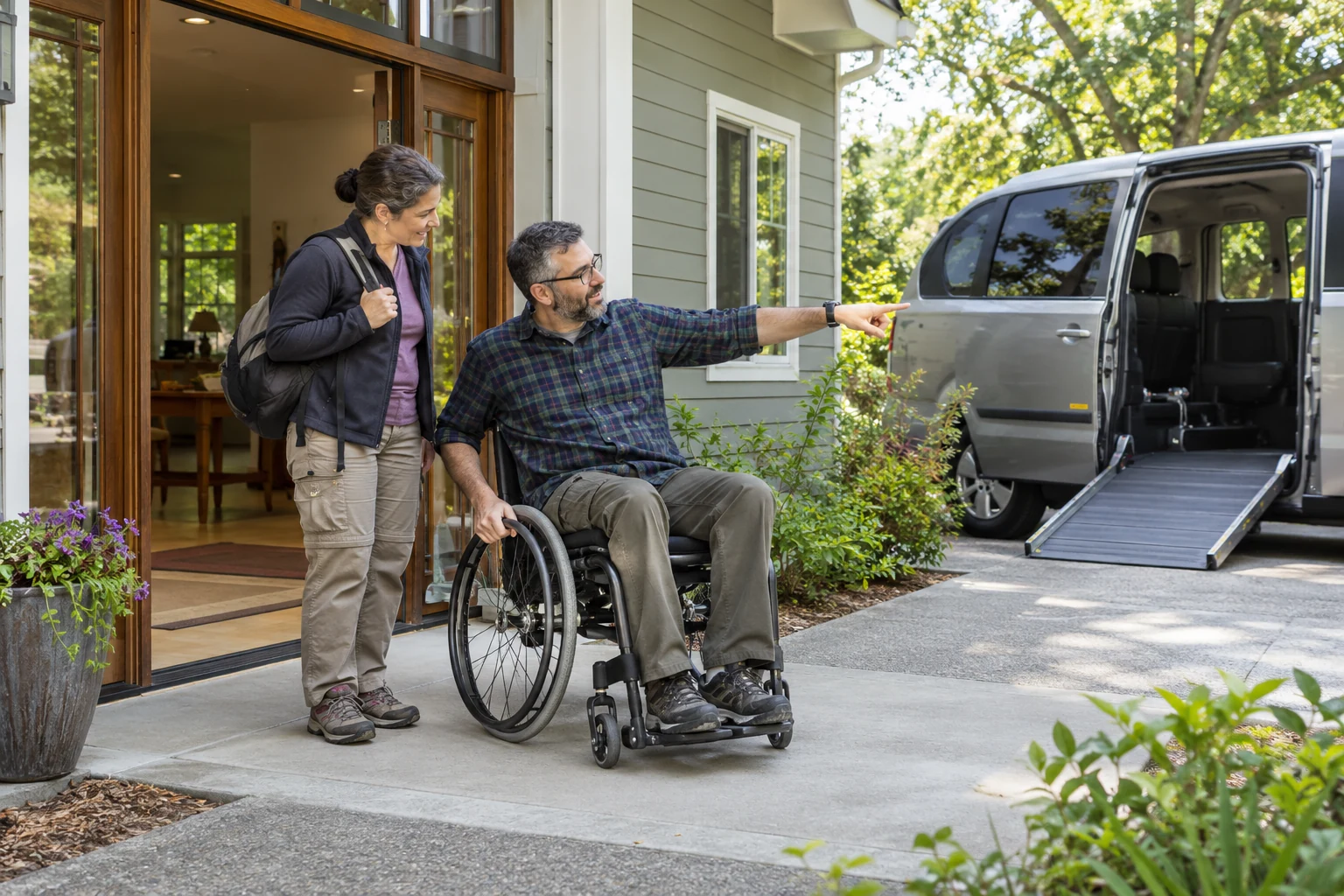
An accessible evacuation plan must account for doors, stairs, vehicles, transfers, equipment, and assistance at the destination. Confirm arrangements with the people or services involved. A location described as accessible may still lack a particular feature or support the individual needs, so ask specific questions before relying on it.
Discuss powered equipment and medical continuity with providers and the care team. Include approved backups, maintenance requirements, and where dependable support can be obtained. Do not disconnect essential equipment during practice or assume a general consumer power product is adequate for a medically critical use.
Rehearse a handover without disruption
Walk through the plan during ordinary conditions, using conversation and safe demonstrations. Ask the person receiving support whether the arrangements respect their preferences and whether anything important is missing. Let the backup helper identify unclear instructions before an urgent handover makes questions harder to resolve.
Review after changes in treatment, support staff, equipment, housing, or transport. Keep contact details current and confirm that volunteers remain available. A useful plan reduces dependence on one person's memory while preserving the individual's autonomy, privacy, and access to the specific care and assistance they actually need.
