
Prepping at a glance
- Write individual food requirements before buying a kit.
- Recheck labels even on familiar products.
- Plan preparation, cross-contact prevention, and safe substitutions.
Write a household food profile
Emergency food for special diets starts with a list of people and their requirements. Separate diagnosed allergies, medically prescribed restrictions, texture or swallowing needs, religious or ethical choices, and ordinary preferences. That distinction helps shoppers understand which substitutions are unacceptable and which are flexible.
For a prescribed diet, ask the relevant clinician or registered dietitian how to plan for interrupted shopping, refrigeration, or cooking. Do not replace individualized guidance with a generic survival-food menu. Record a short list of suitable shelf-stable foods and any preparation requirements so another household member can shop or cook accurately if the usual organizer is unavailable.
Check every package, including familiar ones
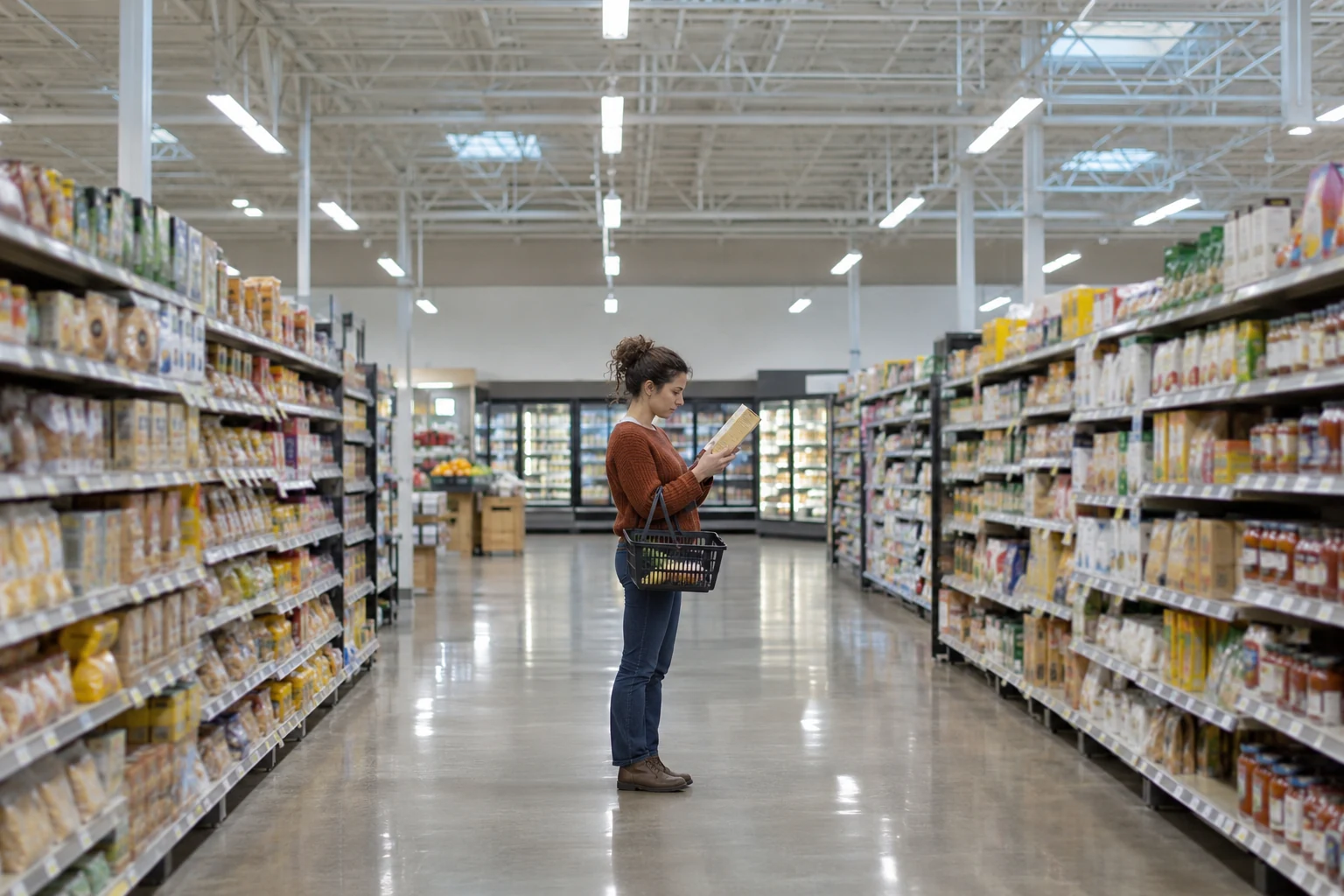
Allergy friendly emergency food must be assessed for the particular person's allergies rather than a broad marketing claim. The FDA advises reading the ingredient information each time you buy a product, because formulations can change. Keep original labels with stored food and check again before serving.
If repackaging is appropriate, retain the exact product identity and allergen information. Avoid an unlabeled communal bin where ingredients become uncertain. Plan utensils, preparation surfaces, and storage arrangements to reduce cross-contact according to the person's established care guidance. If a product's suitability is unclear, contact the manufacturer or choose a known suitable alternative rather than guessing during an emergency.
Build meals within the actual restrictions
Low sodium emergency food is easier to plan by comparing labels and complete meals than by collecting isolated products with reassuring words on the front. Use the person's prescribed limits where applicable. Count sauces, seasonings, soups, and snacks as part of the meal rather than focusing only on the main ingredient.
Create several meal combinations with a short substitution list. For example, write which specific grain, protein, vegetable, and snack options are acceptable, plus what must be added to prepare them. Check whether the meal needs safe water, heating, or refrigeration after opening. Familiar foods can be particularly valuable when someone has a limited range of acceptable textures or flavors.
Practice with the people who will use the reserve
Try a day of meals under normal conditions and note portions, preparation difficulties, and satisfaction. Include the person whose diet is being accommodated whenever possible. A technically suitable product is less useful if its texture makes it impractical or if the package cannot be opened by the person expected to prepare it.
Keep the food plan alongside the household's established medical or allergy action plan, without treating food storage as a replacement for prescribed emergency medication or care arrangements. Rotate suitable products into regular meals and recheck the plan when needs change. Before buying a large prepacked kit, compare every included item against your list. A smaller collection of verified, usable meals is a stronger reserve than a large kit containing foods a family member cannot safely eat.
