
Prepping at a glance
- Identify essential electrical needs before buying backup power.
- Put lighting where you can reach it in darkness.
- Choose a destination before indoor conditions become unsafe.
Start with a dependency walk-through
A power outage preparedness checklist becomes useful when it describes your house instead of an imaginary survival camp. Walk through one ordinary evening and identify everything that requires electricity: the door opener, stove, water pump, heating controls, internet equipment, refrigerator, and medical devices. Mark anything whose failure creates a safety problem rather than an inconvenience.
Give each essential function an alternative. A charged flashlight replaces a room light; a provider-approved medical backup plan may require a destination with dependable power. Do not assume a gas furnace works without electricity. Check equipment instructions now, while you can still look up the model number and ask questions without urgency.
Make a kit you can find in the dark
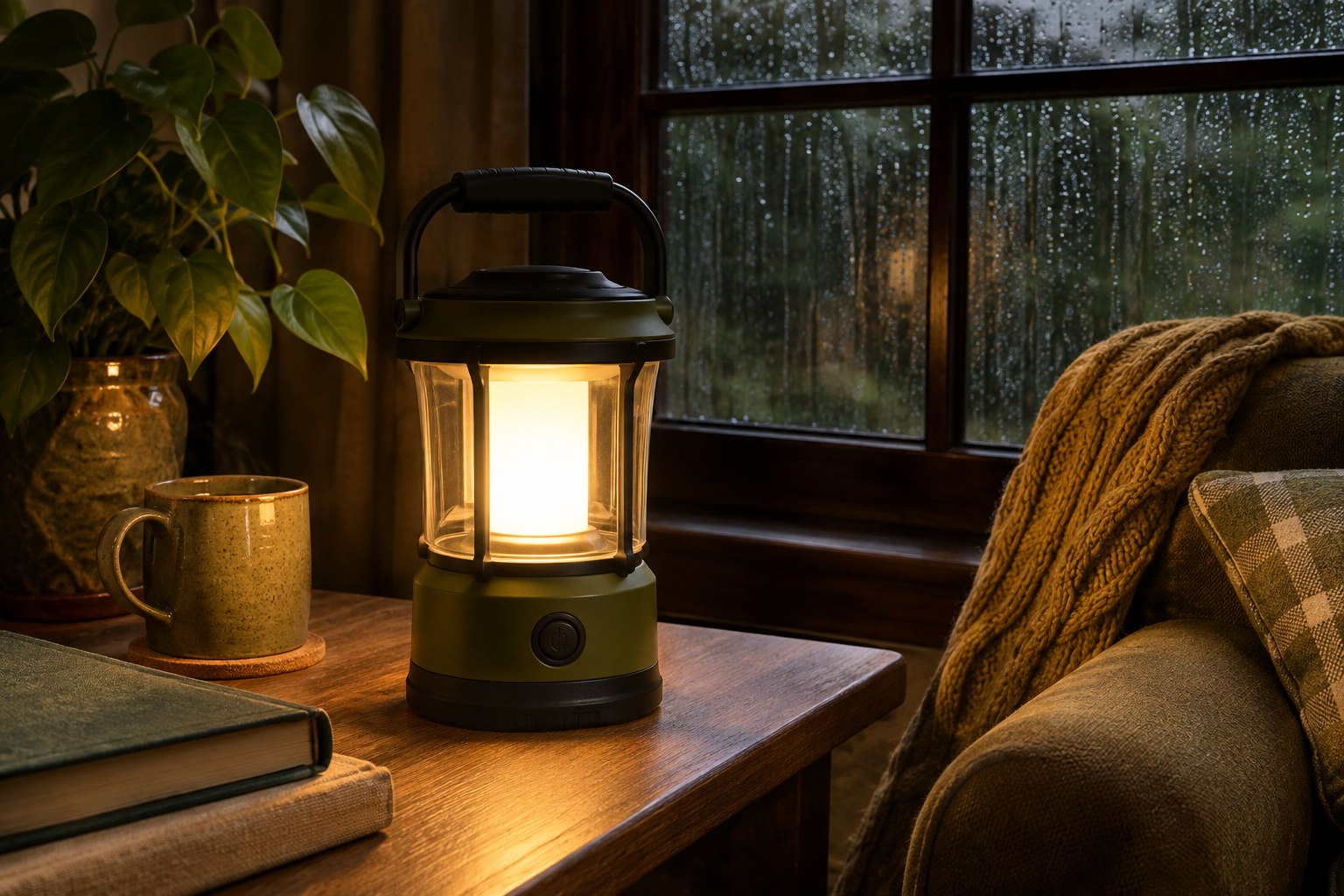
Keep a blackout emergency kit in an accessible location, with battery lights, compatible spare batteries, charging cables, a charged power bank, and a paper contact list. Place a separate light beside the bed. A headlamp can free both hands when helping a child or moving through stairs; check that its controls are easy for the intended user.
Add familiar food that needs no cooking, drinking water, and the tools required to open packages. Keep supplies for pets and personal care alongside the household plan. The test is simple: can another adult locate these items without your help? Label the container and demonstrate the contents rather than relying on a private mental inventory.
Write down the first-hour decisions
Your power outage family plan should say who checks official utility updates, who contacts vulnerable relatives, and where everyone gathers if phones fail. Report outages using the utility's designated channel; leave fallen wires alone and keep others away. Use a battery radio when internet service is unavailable, and conserve phone power without silencing emergency alerts.
Read Red Cross outage guidance before choosing backup cooking or power equipment. Combustion equipment creates serious hazards when used incorrectly. Treat a generator as a separate installation and operating project, not something to improvise in the kitchen or garage. Give food safety and medication storage their own written instructions rather than guessing from appearance or smell.
Choose your limits before they are tested
List the conditions that would make staying home unsuitable: loss of necessary medical support, dangerous indoor temperatures, an inaccessible exit, or instructions to evacuate. Pick more than one possible destination because a nearby friend's house may share your outage. Ask about stairs, pets, accessibility, and available sleeping space before relying on that address.
Run a short daylight rehearsal without turning off essential equipment. Find your lights, locate the utility number, and pack the items that would travel with you. Note what slowed you down. Review the plan after moving, changing prescriptions, buying an electric vehicle, or adding someone to the household; those changes can matter more than adding another gadget.
