
Prepping at a glance
- Know your local evacuation zone and official alert channels.
- Prepare transportation and destinations early.
- Stop property work in time to leave safely.
Before the season: learn your local situation
A hurricane preparedness checklist starts with your location. Determine whether your home is in an evacuation zone and which local agency issues instructions. Wind exposure, flooding, storm surge, and access roads can create different problems, so a general hurricane category is not a complete description of your household's risk. Renters need this information just as much as homeowners.
The National Weather Service hurricane planning page recommends learning local hazards and planning before a storm threatens. Write down emergency management contacts and register for available local alerts. Check where your workplace, children's activities, and relatives are located, because a single household may have people in several affected areas when a warning arrives.
Build an evacuation plan with real destinations
A hurricane evacuation plan should identify more than a direction of travel. Choose possible destinations, confirm whether pets and accessibility needs can be accommodated, and plan how people without cars will travel. Ask local authorities about transportation assistance before an emergency; availability and registration requirements differ by community.
Put identification, medicines, essential care supplies, chargers, and important contacts on a short departure list. Keep bulky replacement possessions off that list unless they serve an immediate need. Consider what you would do if a route closes or a usual host is also evacuating. Share the plan with an out-of-area contact so people know whom to update when arrangements change.
Prepare the property while conditions allow
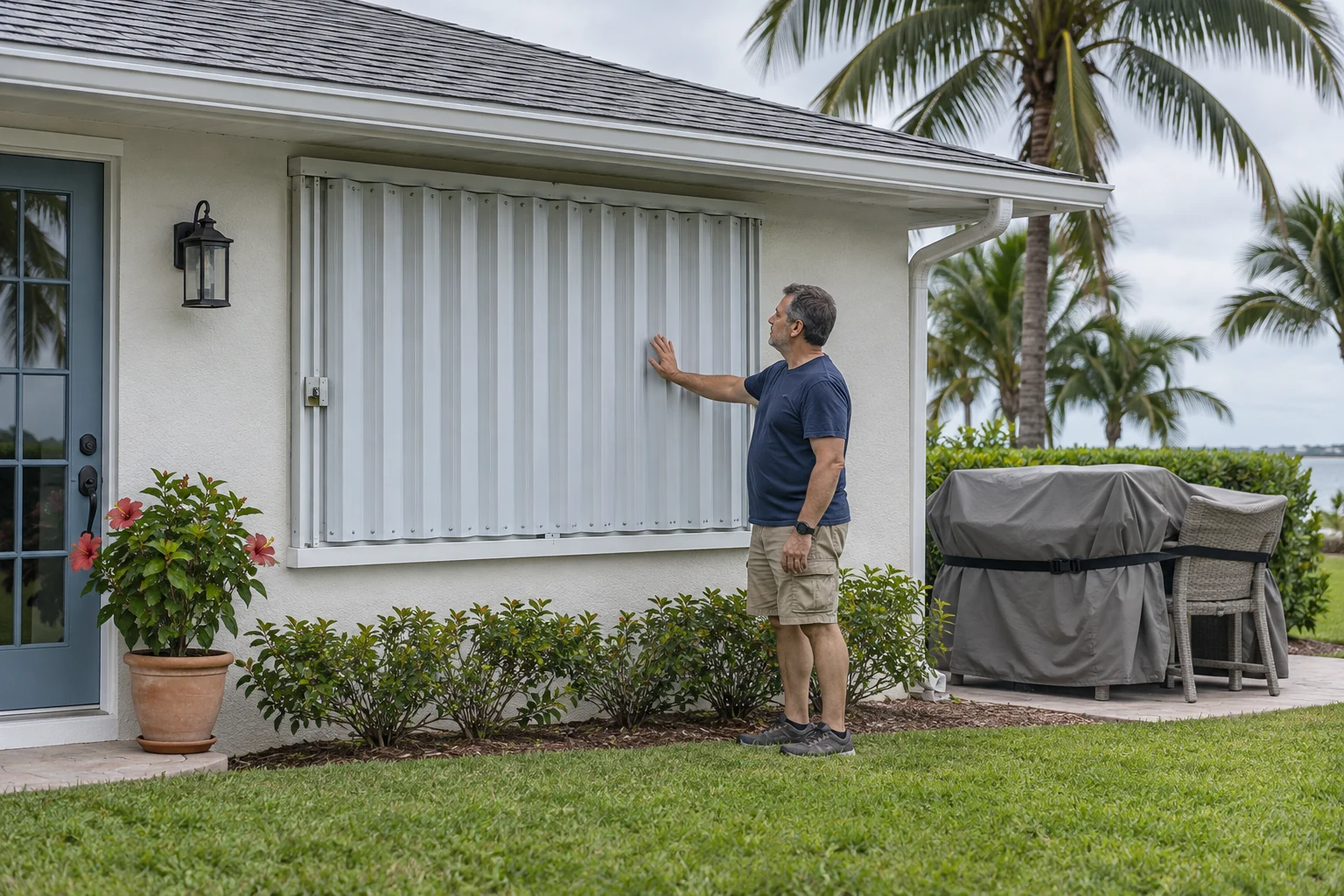
Hurricane home preparation is a separate track from family evacuation. Inspect drainage and obvious maintenance concerns before storm season. Ask qualified contractors about roof, window, and structural protection appropriate to the building; renters should coordinate with the owner rather than altering the property independently. Locate insurance details and take current inventory photographs.
When a storm approaches, follow local instructions and bring in loose outdoor items while it is safe. Charge necessary devices and review supplies. Make a stopping rule for property tasks: no outdoor work after conditions become hazardous, and no delay that interferes with an evacuation order. A checklist should help you leave with fewer decisions, not provide excuses to keep working.
During the forecast window: simplify decisions
Hold a short household check-in. Confirm who is home, who needs transportation, which destination is available, and which official source you will monitor. Assign a person to track changing instructions, but make sure everyone can access the same information. Write updates down if plans are changing quickly.
Avoid relying on a previous storm as proof that this one will be harmless. Your plan should respond to current local instructions and household needs. After a storm, use official information about roads and reentry; returning early can expose you to hazards even when your own house appears intact. Record what you used, what was missing, and which assumptions failed so next season's checklist becomes shorter and more useful.
