
Prepping at a glance
- Use current disease-specific public health guidance.
- Plan for illness in the usual caregiver.
- Keep care, work, and school arrangements flexible.
Build a plan that can change
A pandemic preparedness checklist should distinguish durable household arrangements from guidance that depends on a particular disease. Contact lists, essential supplies, backup caregiving, and access to medical advice remain useful. Testing, vaccination, treatment, isolation, and protective-equipment recommendations may change with the pathogen, setting, and current evidence.
CDC guidance on preventing respiratory illnesses offers a current starting point for respiratory threats, but it is not a universal rulebook for every outbreak. Identify your local public health agency and care-provider channels. Record where you will obtain updated advice rather than printing a rigid plan that assumes the same recommendations will apply indefinitely.
Plan for the household member who does everything
A household outbreak plan should include the possibility that the usual caregiver, driver, or organizer becomes ill. List essential tasks such as medicine pickup, meals, child supervision, and care for a dependent adult. Arrange backup help with consent and clarify which tasks require special knowledge or professional support.
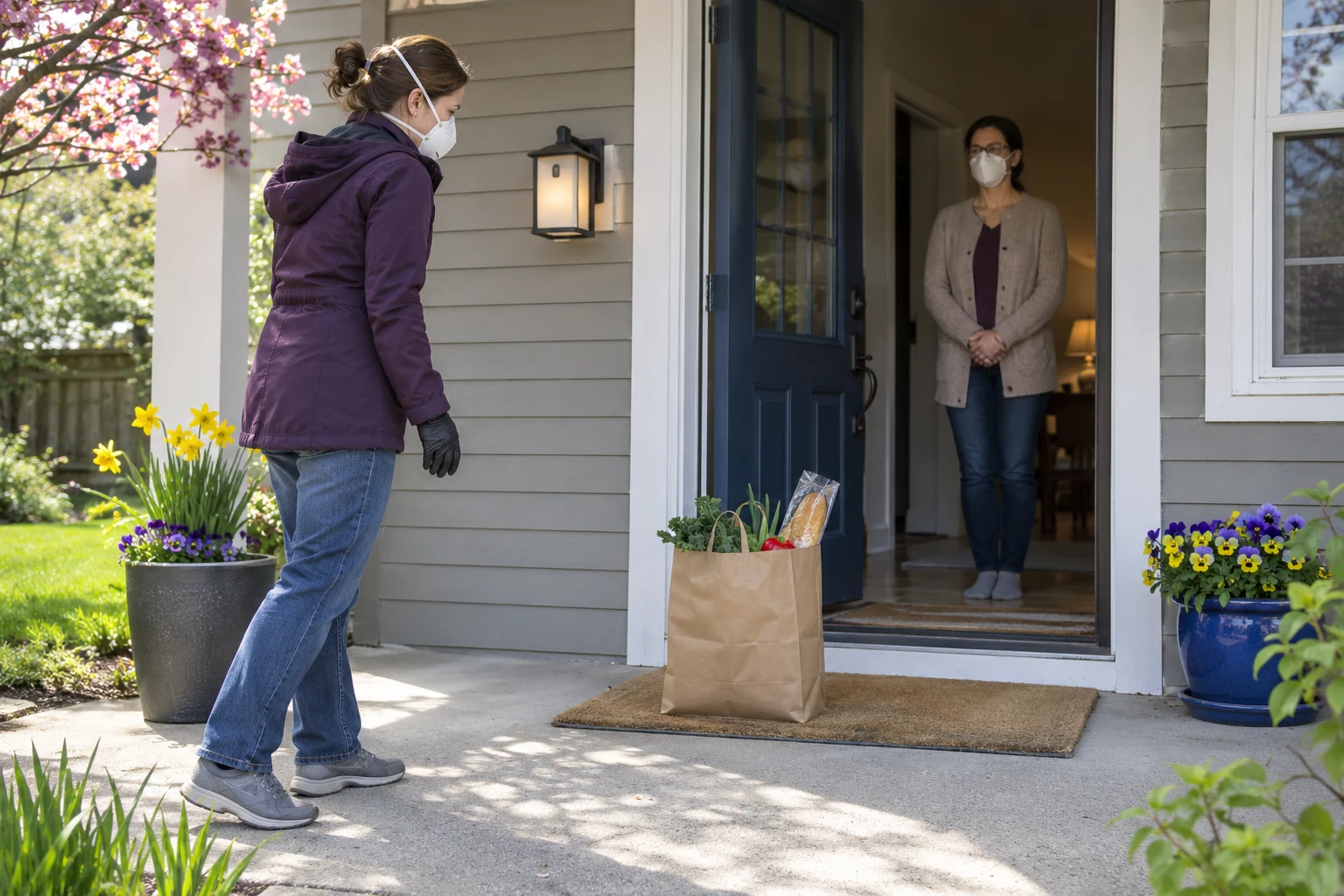
Keep concise care information and verified contact details accessible to authorized helpers. Discuss how deliveries or remote arrangements might reduce unnecessary trips when appropriate. Avoid assuming that an older relative or a medically vulnerable person will automatically become the backup caregiver. Ask about each person’s capacity and concerns, and build alternatives that do not simply transfer the burden to another vulnerable household.
Prepare supplies around ordinary routines
Respiratory illness preparedness can include familiar food, essential personal supplies, appropriate cleaning products, and any protective items recommended for the situation. Buy manageable quantities you can store and use rather than clearing shelves because a headline feels urgent. Keep medicines in original packaging and ask a pharmacist about individual concerns. For respiratory illness, review current vaccination guidance with your clinician, improve indoor air where feasible, wash hands, and follow current advice about staying home when sick. These measures work together; a supply purchase does not replace them.
Review how you would obtain professional advice if appointments change. Confirm access to a working phone and relevant account information for any remote care service you already use. Do not rely on leftover prescriptions, unverified treatments, or a shared medicine supply. For serious symptoms or urgent deterioration, seek medical help rather than delaying because the household is trying to avoid every outside contact.
Reduce administrative surprises
Discuss likely work and school disruptions before they happen. Find attendance policies, caregiver leave information, school communication channels, and alternative contact arrangements. These practical details often create more immediate household strain than a missing specialty product. Keep children’s routines and explanations appropriate to their age without making them responsible for monitoring alarming news.
Set a limited information-checking routine and revise the plan when authoritative guidance changes. Keep a short list of decisions made and questions for the care team. After an illness or closure, review what helped: an available backup caregiver, a reliable delivery arrangement, or a clearer contact sheet. Retain those improvements. A flexible plan supports care and ordinary life while leaving disease-specific decisions to current evidence and qualified guidance.
