
Prepping at a glance
- Track your own costs rather than headlines alone.
- Compare usable unit costs and waste.
- Keep bulk purchases within space and cash limits.
Measure the pressure on your own household
If you are considering how to prepare for inflation, begin with the costs you actually pay. Compare recent bills and receipts for the same goods or services, noting changes in quantity or package size. A national headline cannot tell you which part of your household budget needs attention first.
Choose a few categories to track rather than recording every purchase indefinitely. Food, utilities, transport, and recurring services may reveal different patterns. Mark one-time expenses separately so an unusual repair does not look like a permanent change in ordinary spending.
Make the grocery list do more work
A grocery budget is easier to manage when it starts with meals and existing supplies. Check the refrigerator, freezer, and pantry before shopping, then plan around food you already own. Include realistic portions and the time available for cooking so the plan survives a busy week.
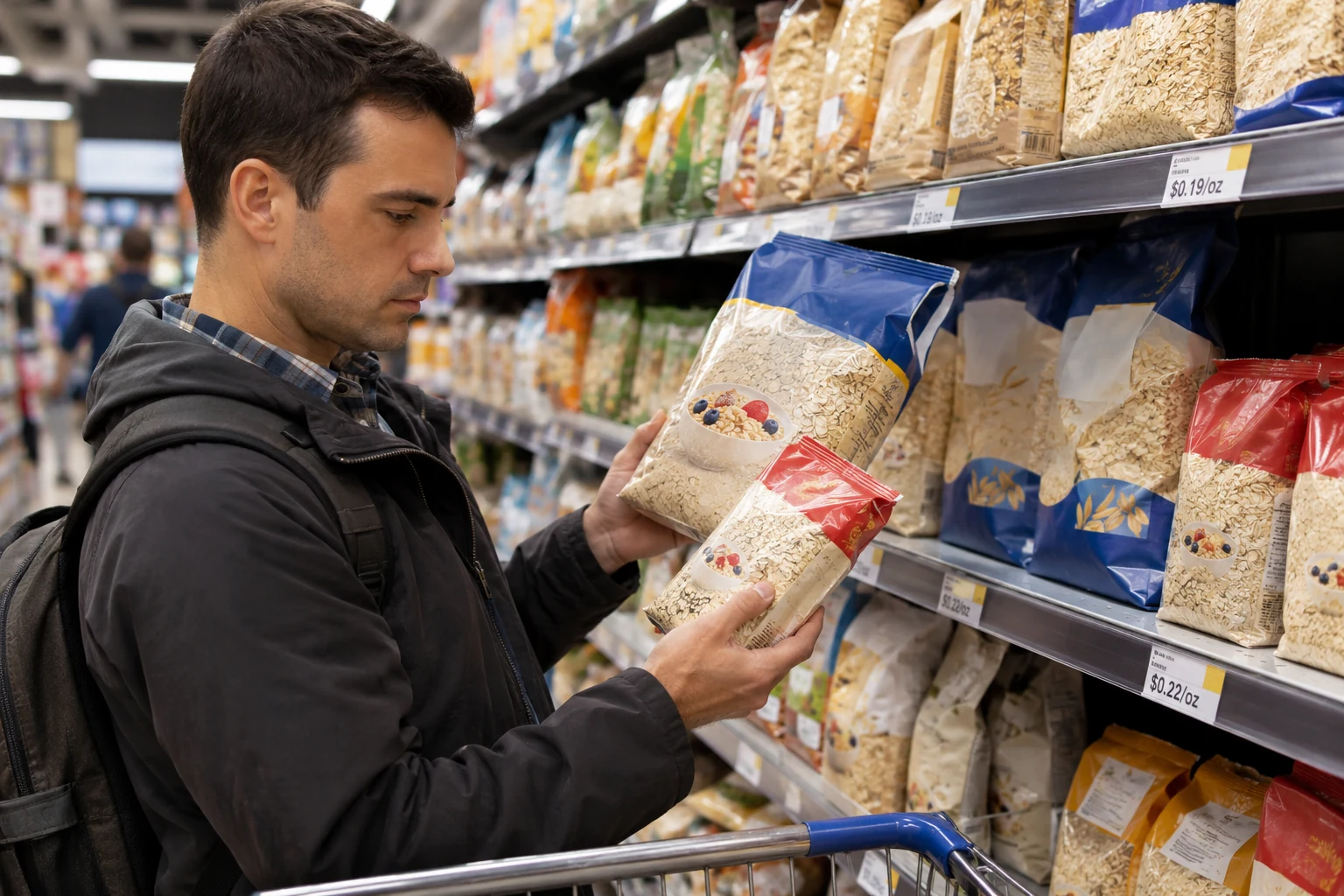
Compare unit prices only between products you can actually use. A larger package is not a saving if part of it spoils, requires storage you lack, or ties up money needed for essentials. Consider dietary requirements and household preferences before replacing a familiar product with a cheaper but unsuitable alternative.
Buy ahead selectively
Choose shelf-stable items you routinely consume and can store under appropriate conditions. Set a quantity limit based on use and space. Put newer purchases behind older suitable stock and keep a simple inventory so a sale does not lead to buying the same category repeatedly.
Avoid treating pantry purchases as an investment with a guaranteed return. Future prices, household needs, and product condition are uncertain. Buying ahead can be a practical convenience, but it should not compete with housing, medication, utilities, or the cash needed to handle a different unexpected expense.
Review recurring commitments
Household financial preparedness includes checking service plans, unused subscriptions, renewal dates, and fees. Read the terms before changing anything. A lower advertised price may come with a contract, reduced coverage, equipment cost, or introductory period that changes the real comparison.
Use the CFPB budgeting toolkit to organize a spending tracker and bill calendar. Decide which changes are sustainable for the people involved. Cutting every small convenience at once may produce a plan that is quickly abandoned; identify the few changes that meaningfully reduce costs without creating disproportionate disruption.
Keep room for changing conditions
Review the budget after a pay change, major bill increase, or household change. Build a modest reserve as circumstances allow and make replenishment part of the plan when it is used. Avoid financial decisions driven by predictions of imminent catastrophe or promises of guaranteed protection from price rises.
Finish with three actions for the next shopping cycle: one item to use before buying more, one recurring cost to review, and one spending limit to respect. Repeat the comparison using your actual results. A useful response to rising costs is a flexible household system that preserves choice and reduces avoidable waste.
