
Prepping at a glance
- Distinguish verified disruptions from rumors.
- Plan alternate transport and family collection arrangements.
- Avoid confrontation and follow local safety instructions.
Define the disruption you are planning for
If you are considering how to prepare for civil unrest, begin with concrete household effects: a blocked route, interrupted public transport, a workplace closure, or difficulty reaching a family member. Peaceful demonstrations and unlawful violence are not interchangeable. Planning should respond to actual conditions rather than assumptions about a group or a dramatic image posted without context.
Fairfax County emergency guidance on civil disorder offers a local emergency-management perspective. Your own jurisdiction's alerts and transport notices should guide current decisions. Record the agencies that publish road closures, public safety instructions, and school updates. A short list of reliable channels is easier to use than a feed containing conflicting claims from many unknown accounts.
Prepare for a changed journey
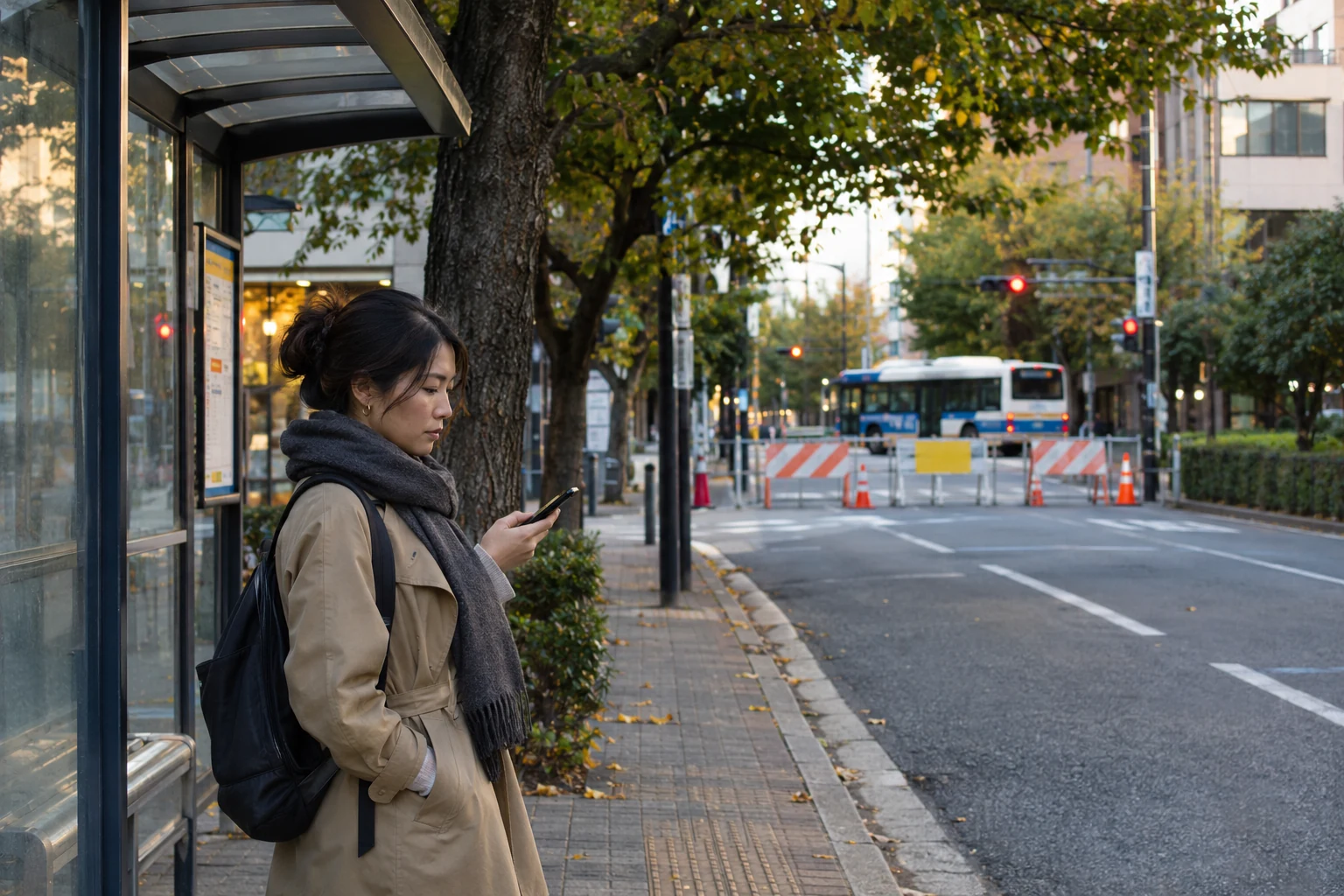
An emergency travel disruption plan should identify alternatives before the usual route becomes unavailable. Consider walking distance, public transport schedules, accessibility, and the location of children or dependent adults. An alternate road is only useful if it is open and appropriate for the traveler; consult official closure information instead of blindly following a navigation shortcut.
Agree on a safe place to wait if travel is disrupted and a person to contact about changed plans. Keep necessary medicine, a charged phone, and essential contact information available during ordinary trips. If nonessential travel would take you into a developing disturbance, changing the appointment may solve more than additional equipment would. Avoid approaching an incident to watch, record, or argue.
Coordinate household needs calmly
A civil unrest family plan should cover who checks on each person and how to communicate a change of destination. Use brief factual messages rather than forwarding every alarming post. Clarify who can collect children and what schools or care providers require for reunification. Keep a paper list of authorized contacts in case a phone becomes unavailable.
At home, review normal food, water, medication, and power-outage arrangements. Secure doors and windows using ordinary lawful measures that preserve emergency exits. Avoid traps, confrontational patrols, or equipment intended to escalate a dispute. If there is an immediate threat, move away from danger when possible and contact emergency services rather than attempting to investigate it yourself.
Separate alerts, decisions, and speculation
Set a reasonable update routine and identify what would cause you to change plans: an official closure, direct instructions, a confirmed interruption of essential services, or a specific household care need. A rumor that something might happen somewhere is not the same as an actionable local notice. Check the date and location before treating a shared image as current evidence.
After the disruption passes, review which arrangements actually helped. Perhaps the important improvement was a second school pickup contact or an accessible route home. Keep those changes and discard unnecessary steps. If you experienced a threat or loss, document relevant facts from a safe location and use appropriate support channels. Preparedness works best when it leaves you with more choices and fewer reasons to enter a confrontation.
