
Prepping at a glance
- Prepare for interruptions to ordinary routines.
- Start with one likely local problem.
- Include skills, contacts, and savings alongside supplies.
What is prepping in everyday life?
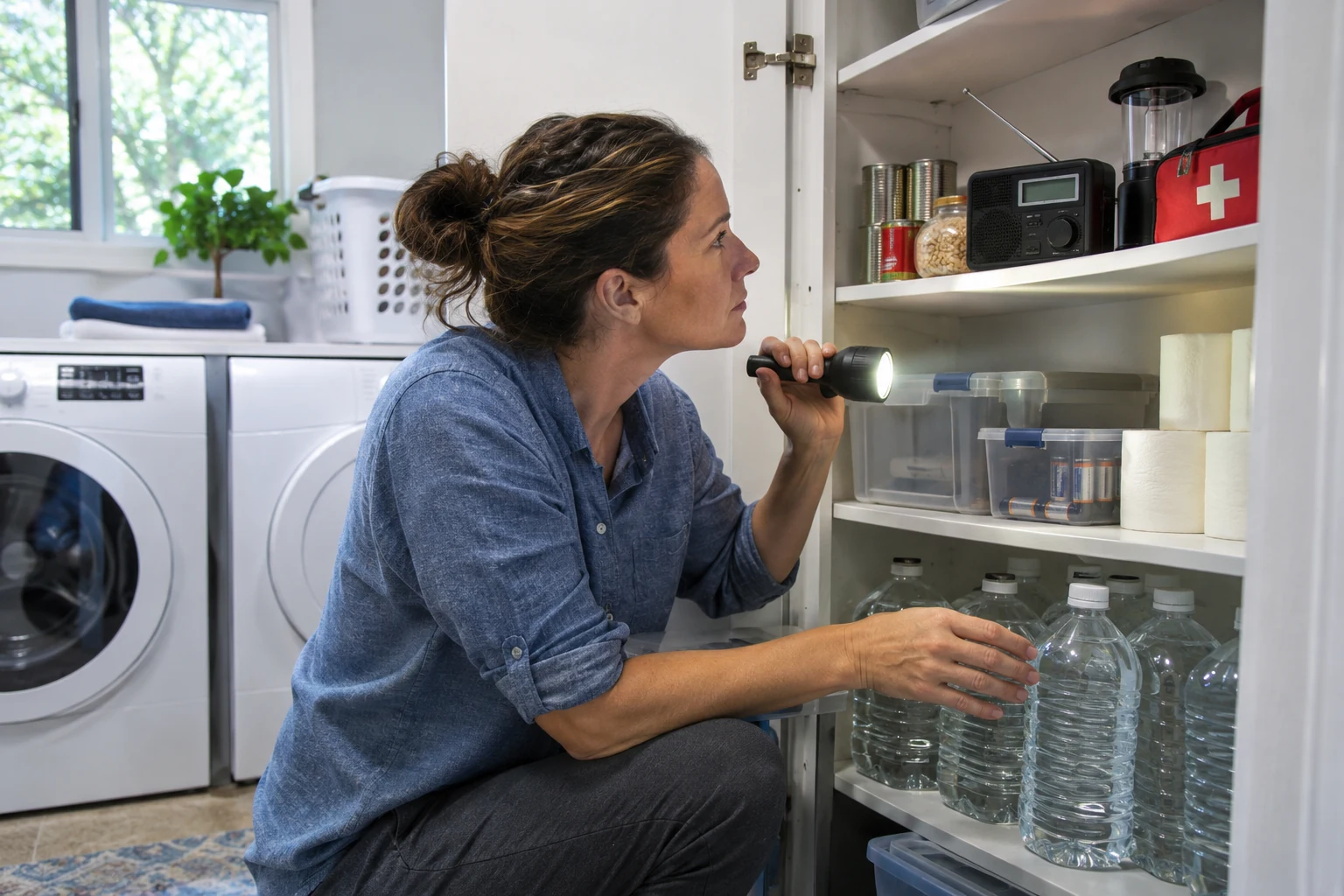
Prepping means arranging resources and decisions before a disruption makes them harder to organize. If you are asking what is prepping, picture a household that can find its flashlight, contact a relative, and eat a familiar meal when the electricity fails. Those are useful achievements even if a dramatic disaster never happens.
Emergency preparedness includes people and arrangements as well as possessions. A neighbor who has agreed to help, a written school pickup plan, and money for an unexpected ride can matter as much as a storage bin. Your starting point should reflect your actual home, responsibilities, and local conditions.
Follow one ordinary day
Walk through tomorrow morning on paper. You wake up, use the bathroom, take medication, feed a pet, prepare breakfast, and travel to work. Beside each activity, write what makes it possible. Running water, electricity, a working vehicle, an open pharmacy, and a charged phone may appear repeatedly.
Now imagine one dependency is unavailable. Which tasks remain easy, and which need a different arrangement? This exercise turns a vague worry into specific gaps. Someone in an apartment might prioritize stairs and building notices. A rural household might focus on a well pump and a long route to town.
Choose a modest first goal
Prepping for beginners works best with a finish line you can describe. Try: everyone can locate a light, we have written contact numbers, and we know what we would eat during a short outage. Set a date to review that goal instead of buying equipment whenever an alarming headline appears.
Inventory before shopping. Gather suitable items already in the kitchen, closet, and medicine cabinet. Record what is missing and who will handle it. Divide the list into free planning tasks, small purchases, and larger decisions that need research. This makes progress visible without pretending that every problem needs an immediate purchase.
Make the plan personal
Ask each household member what they would find difficult during an interruption. Include sensory needs, mobility, food restrictions, caregiving, and pets. Discuss medication or equipment backup arrangements with the relevant provider. Do not assume a generic kit covers these needs simply because it contains many items.
The Red Cross planning guide is a useful framework for household discussions. Use its questions to identify your own meeting and communication arrangements. Keep a short paper version somewhere everyone can find it, with private details stored appropriately. A plan on one person's locked phone is difficult for anyone else to use.
Build a routine you can keep
Choose a small review habit: check the supply shelf while making a grocery list, or review contacts when the school term changes. Replace things you use and practice opening unfamiliar equipment while conditions are calm. Avoid drills that disconnect essential medical devices or create unnecessary hazards.
Readiness has no universal shopping total. A manageable system that helps your household through real interruptions is a worthwhile result. When your first goal is met, pick the next uncovered need and repeat the process. Preparation grows through useful decisions that remain part of everyday life.
